Die 14 octobris Anno Domini 2026
Sancti Callisti Papæ et Martyris
All documentation, whether ecclesiastical or civil, concerning the Bishop of Rome is prepared in a specific manner. This is significant not only for practical reasons but also from a historical perspective. Notably, while a pope’s death certificate is drafted in a unique format, it remains a civil document, accompanied by the standard procedures associated with the formal declaration of a person’s death.
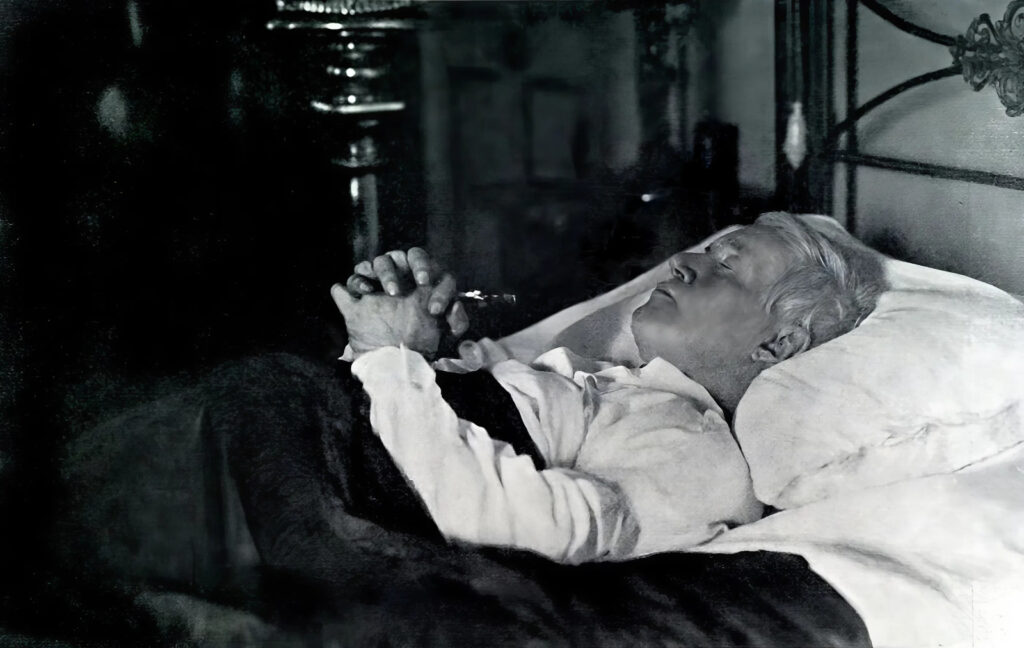
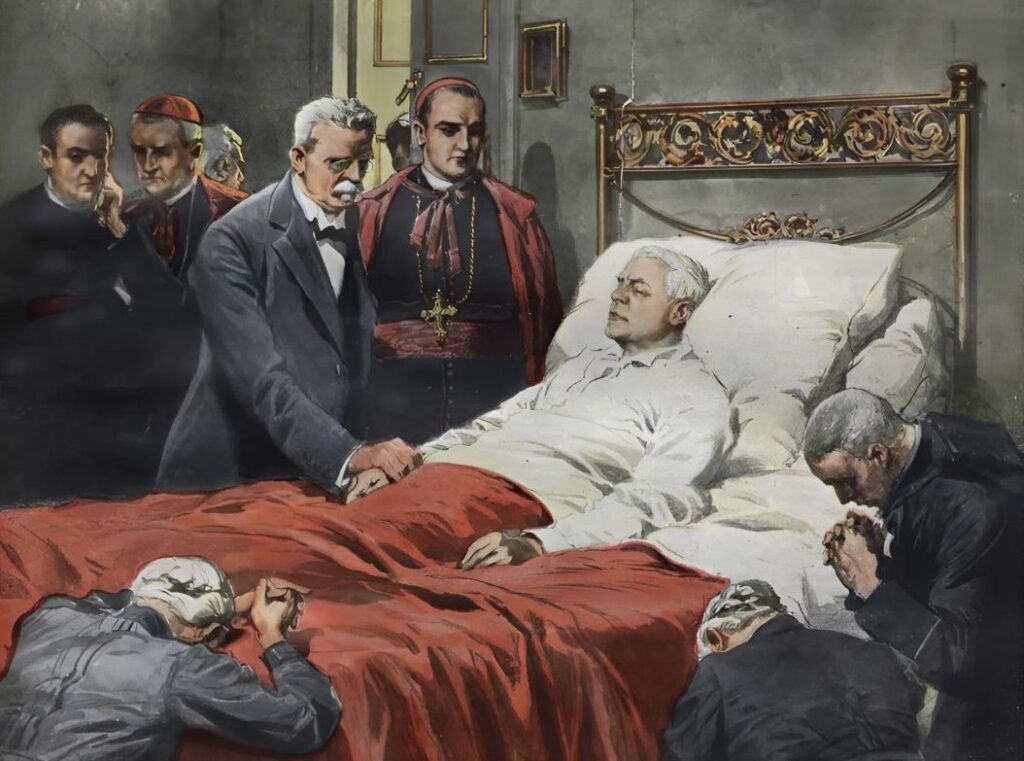
In standard administrative procedure, a death certificate is one of many entries in a civil register, confirming the fact and circumstances of an individual’s death. In the case of a pope, however, it always constitutes a separate record, complete with its own specific presentation and accompanying documentation related to the exchange of information between the Holy See and the civil administration of Rome.
Historical death certificates of successive popes, along with other ecclesiastical, civil, and medical documentation, are kept at the Archivio Storico Capitolino di Roma Capitale („Historical Archive of the City of Rome”), where they may also be consulted.
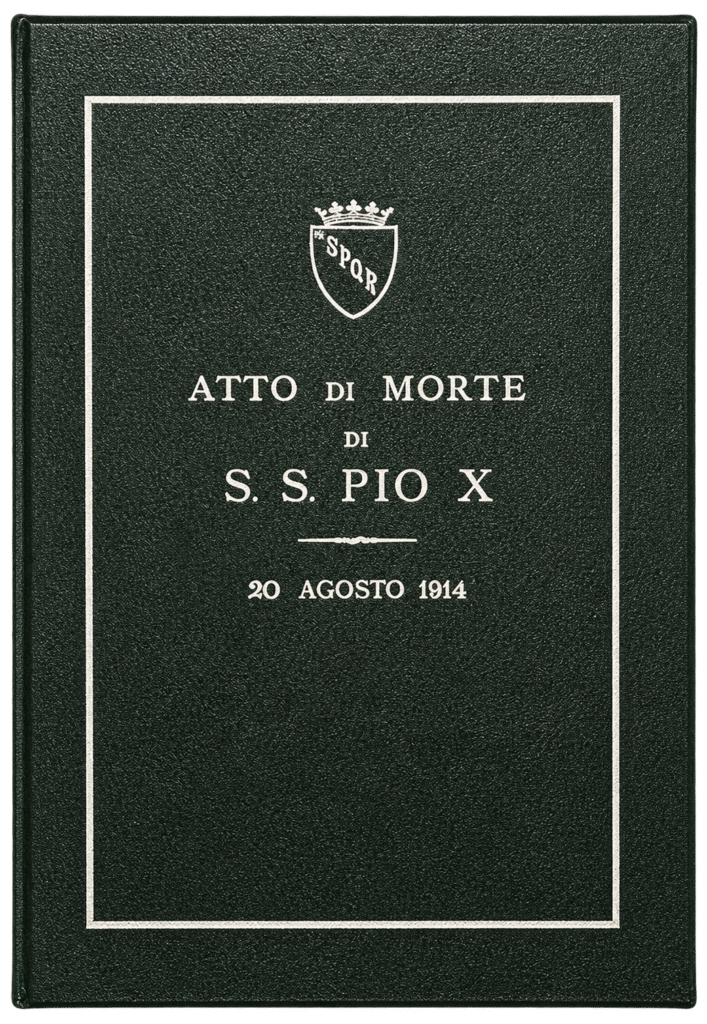
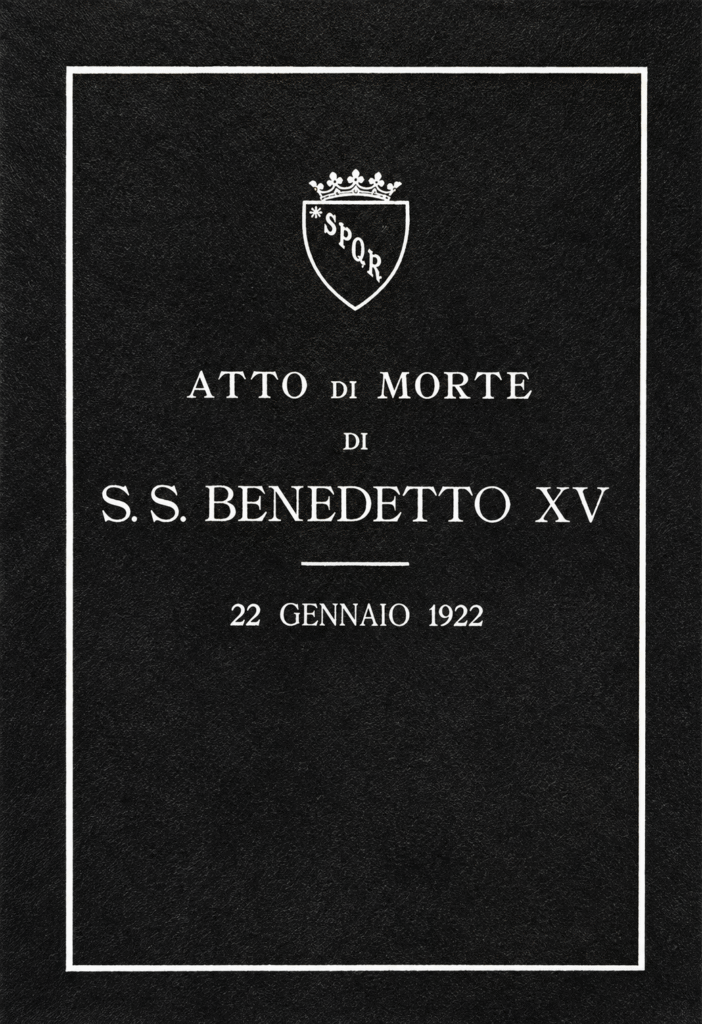
The death certificate of the Bishop of Rome, given both the nature of the individual to whom it pertains and the manner in which it is prepared (always by hand), contains somewhat more detail than a similar document for an average citizen; it includes the following information: the person’s civil name and surname, their papal name, their title (i.e., Bishop of Rome), the date and time of death, the place of death, the cause of death, the place of birth, the names and surnames of the parents, the names and surnames of the witnesses to the death (along with their respective titles), and, finally, official attestations and signatures.
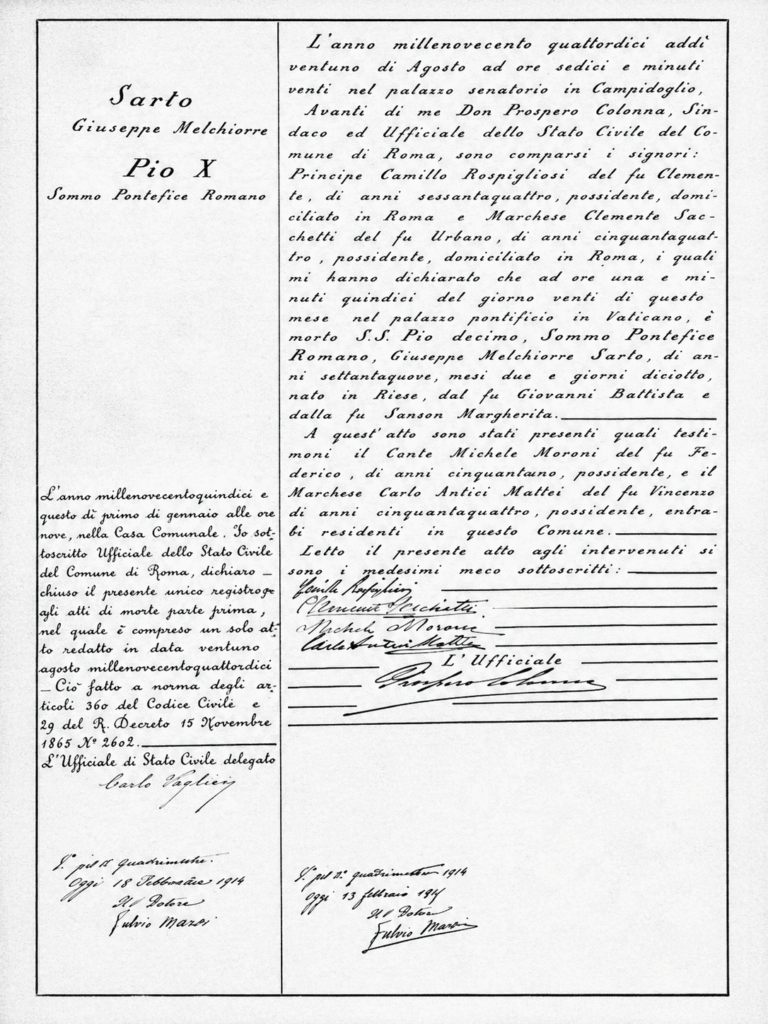
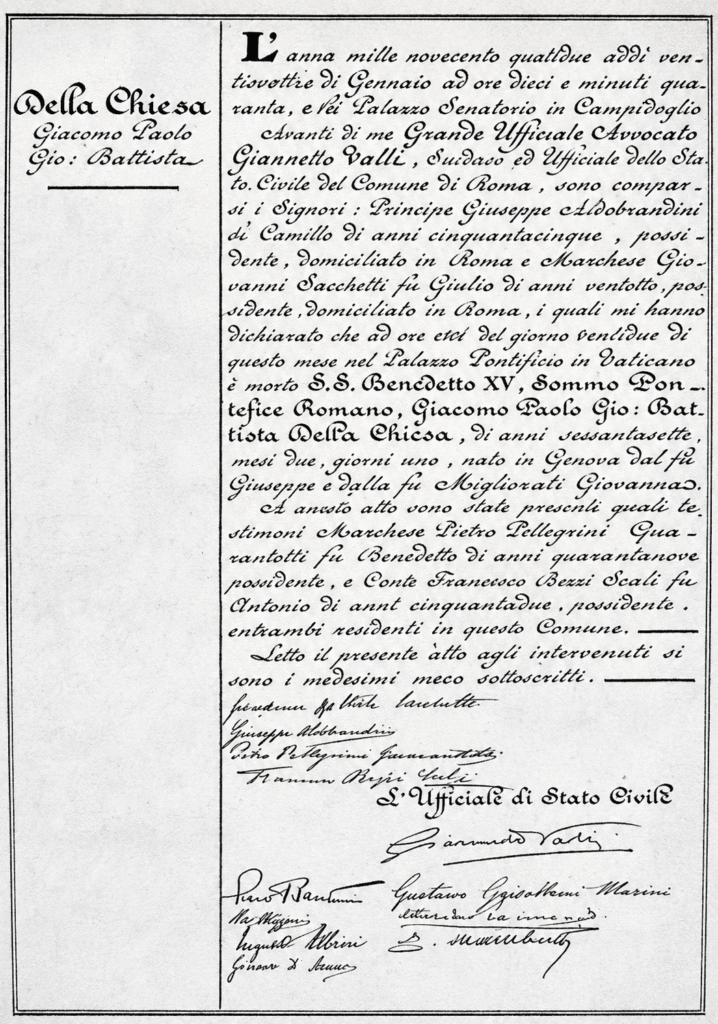
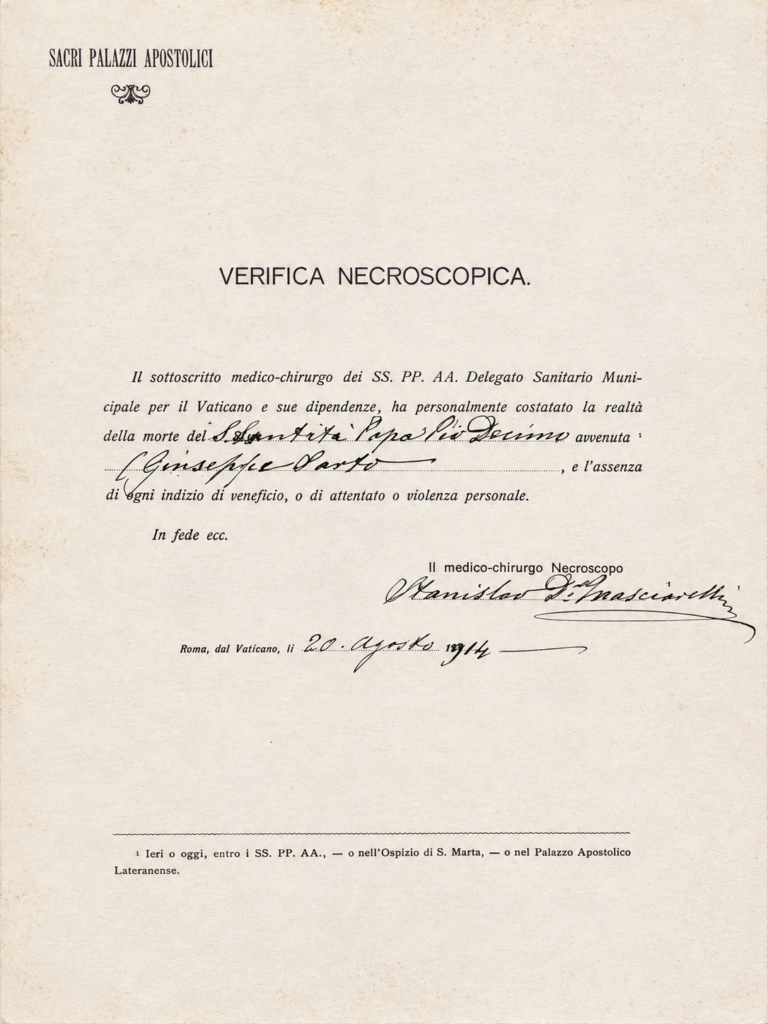
Documents accompanying the death certificates of popes include, among others: a medical confirmation of death, ruling out any acts of violence or interference by third parties, prepared by the papal physician; a notification of the pope’s death sent by the Vatican to the Municipality of Rome (bearing the seals of the Prefecture of the Apostolic Palace and the Municipality); and various other administrative notes documenting the processing of these documents.
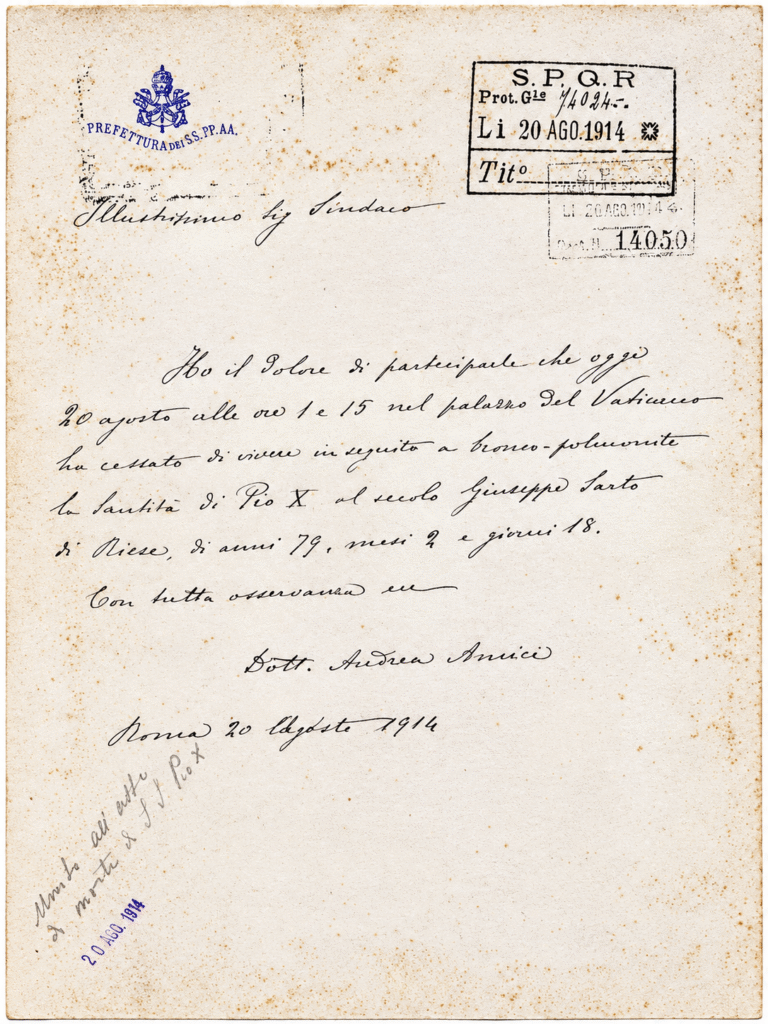
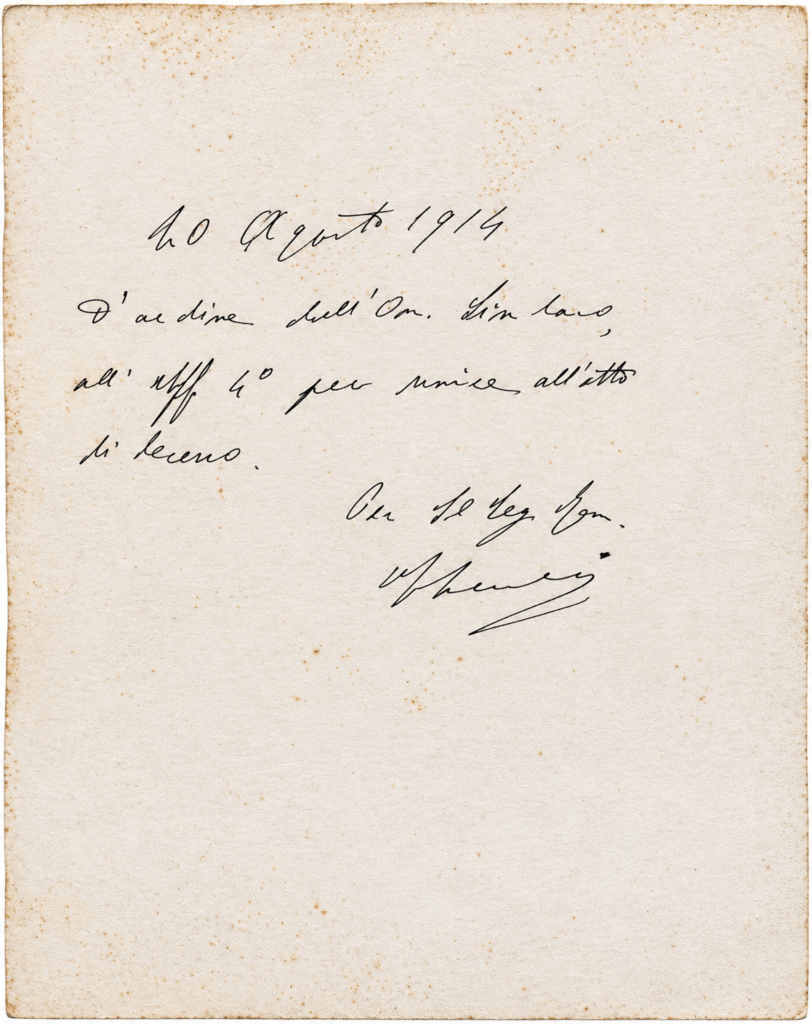
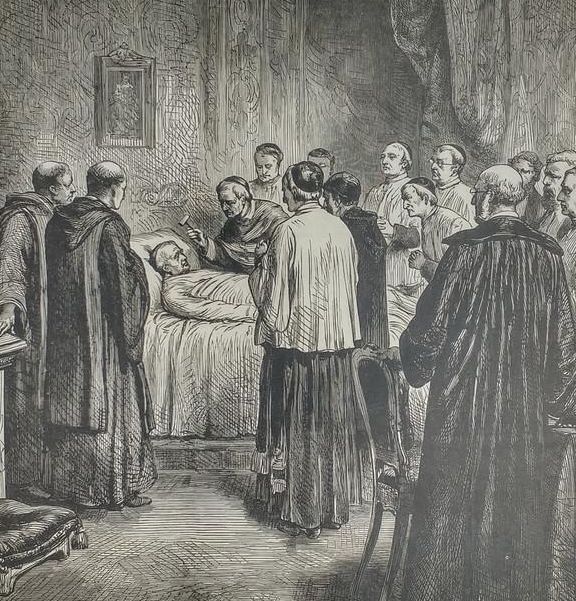
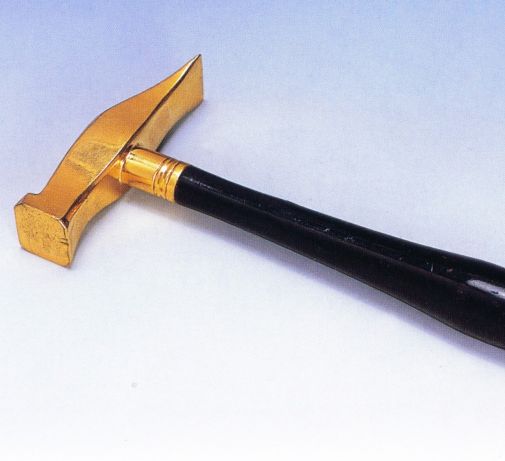
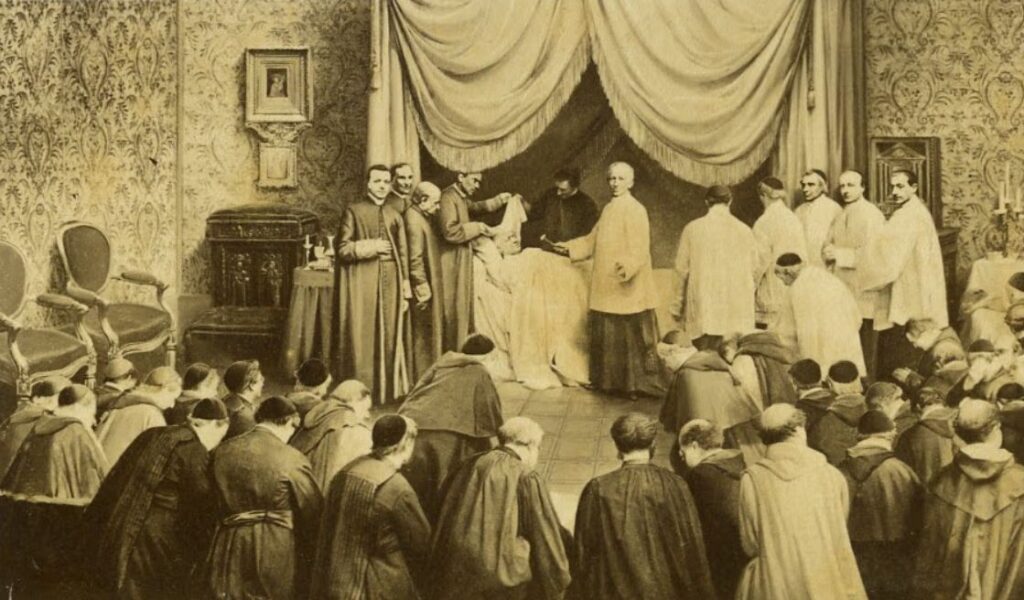
The documents presented here represent only a portion of the complex official and ceremonial process surrounding the death of a pope. Past customs and rites were more elaborate than those in use today. One of the most striking traditions involved the Cardinal Camerlengo tapping the deceased pope on the head with a special small hammer and calling out his baptismal name three times, in order to confirm that he had indeed passed away (this part of the ritual was reportedly abandoned after the death of Pius IX, whose head was allegedly tapped by Cardinal Joachim Pecci, the future Pope Leo XIII).
RECOMMENDED VIDEOS
RECOMMENDED READINGS
- Agostino Paravicini Bagliani, Morte e elezione del papa Norme, riti e conflitti. Il Medioevo, Viella Editrice, Roma 2013.
- Maria Antonietta Visceglia, Morte e elezione del papa Norme, riti e conflitti. L’Età moderna, Viella Editrice, Roma 2013.
- Antonio Margheriti Mastino, La mort du pape. La longue mort des successeurs de Pierre, du Moyen Age à Jean-Paul II : cérémonies et traditions, embaumement, funérailles et inhumation, Liamar Editions, Monaco 2015.
- Nicolas Delestre, Sic transit gloria mundi. La mort des papes, Fage Editions, Lyon 2020.