

Presented publications are made available in accordance with the idea of open science and should be used with respect for scientific ethics. All rights belong to their rightful owners. Bonum est diffusivum sui esse! Ut in omnibus Deus glorificetur!
The Papal Ceremonial (Latin: Caeremoniale Romanum, Caeremoniale Curiae Romanae, Ordo Caeremoniarum Curiae Romanae, Caeremoniale Sanctae Romanae Ecclesiae, Caeremoniale Summorum Pontificum, etc.) is one of the most complex and difficult-to-access liturgical books in the history of the Catholic Church. To this day rites related to the funeral of a pope or the election of a new Bishop of Rome continue to arouse interest among scholars, the public and the media. Critical editions of late medieval and Renaissance papal ceremonials were not compiled until the second half of the 20th century, but their availability outside of academia remains limited.
In the history of papal ceremonials, which include both ceremonies performed by the Bishop of Rome during the liturgical year and on so-called extraordinary occasions (e.g. the creation of cardinals, the coronation of an emperor or king, the episcopal ordination of a newly elected pope, etc.), a decisive role was played by the 1488 edition of Johannes Burchardt and Agostino Patrizi Piccolomini (De caeremoniis Curiae Romanae libri tres), papal masters of ceremonies, also known for developing an extremely important version of the Pontificale Romanum (1485). Piccolomini’s Ceremonial was first published in Venice in 1516, with the permission of Pope Leo X, despite the opposition of the then Master of Apostolic Ceremonies, Paride de Grassi (Rituum ecclesiasticorum sive sacrarum cerimoniarum S.S. Romanae Ecclesiae). This book exerted a decisive influence on the organization of the liturgy of the Roman Curia for centuries to come.
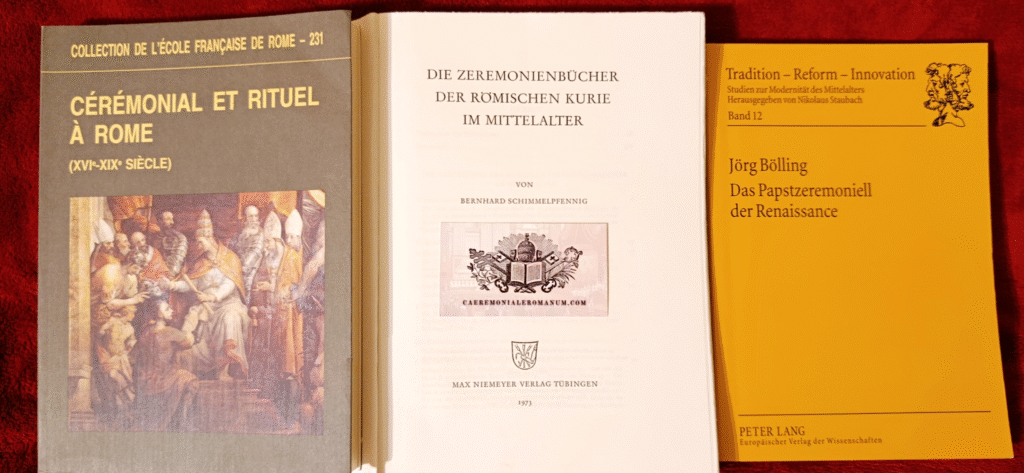
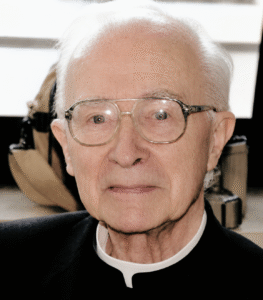
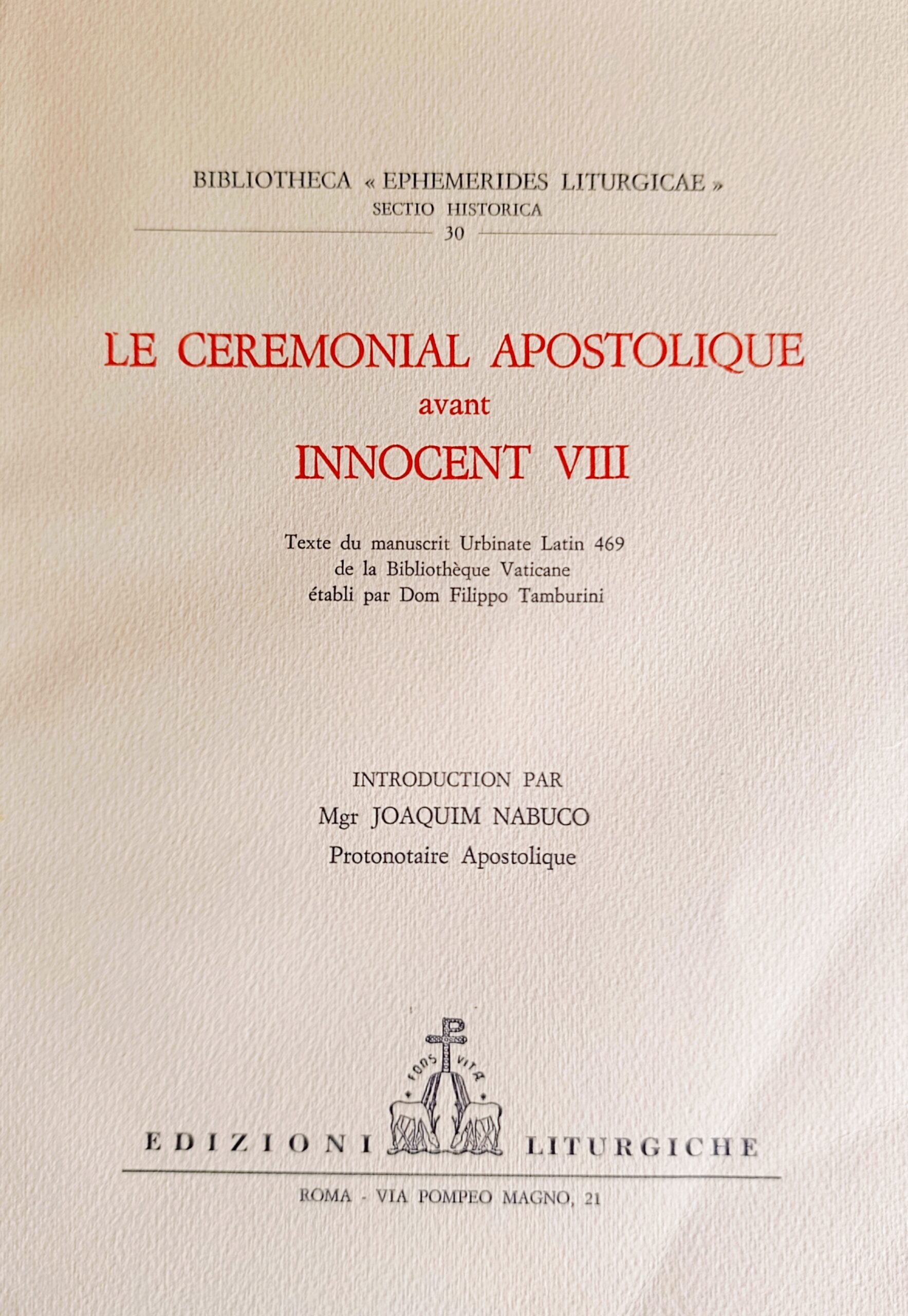
Contemporary knowledge of papal ceremonial relies primarily on the critical editions prepared by Father Marc Dykmans, SJ, who collected and edited manuscripts found in Vatican and European archives and libraries. His research traced the development of the ceremonial from the early 14th to the mid-16th century. His work is complemented by editions of other ceremonial books, including the Urbinate Latin 469 manuscript from the Vatican Library, edited by Father Filippo Tamburini and Bishop Joaquim Nabuco (an unparalleled expert on papal liturgy). Also very important are the studies by German language researchers, especially Bernhard Schimmelpfennig and Jörg Bölling.
As a book regulating the rites of the papal court, the papal ceremonial reflected the growing need to precisely define hierarchy and precedence within the papal court, which had both religious and political significance. At the same time, it served as a tool for symbolic communication, including by precisely regulating the timing, gestures, attire, and space of celebrations. This served primarily to emphasize the pope’s spiritual authority. Thanks to surviving manuscripts and their critical editions, it is now possible not only to reconstruct the course of ancient ceremonies but also to analyze the ways in which ritual served to legitimize papal authority in the late medieval and Renaissance Church.
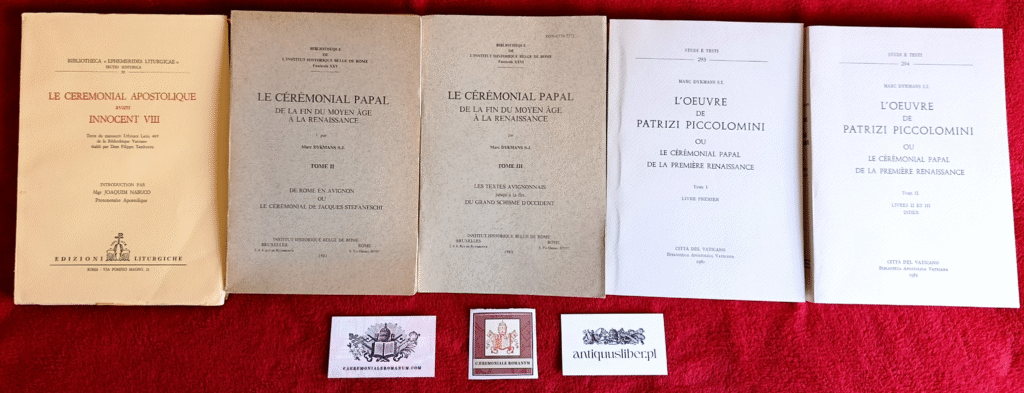
PAPAL CEREMONIALS FROM THE END OF THE MIDDLE AGES TO THE RENAISSANCE
(CRITICAL EDITIONS BY PROF. MARC DYKMANS SJ)
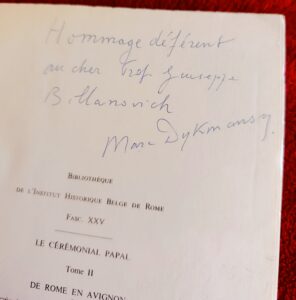
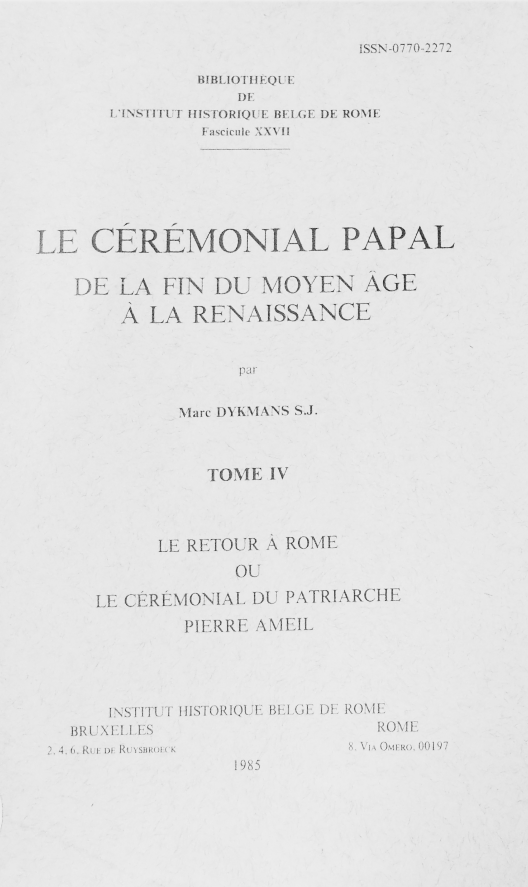
Le cérémonial papal de la fin du Moyen-Âge à la Renaissance:
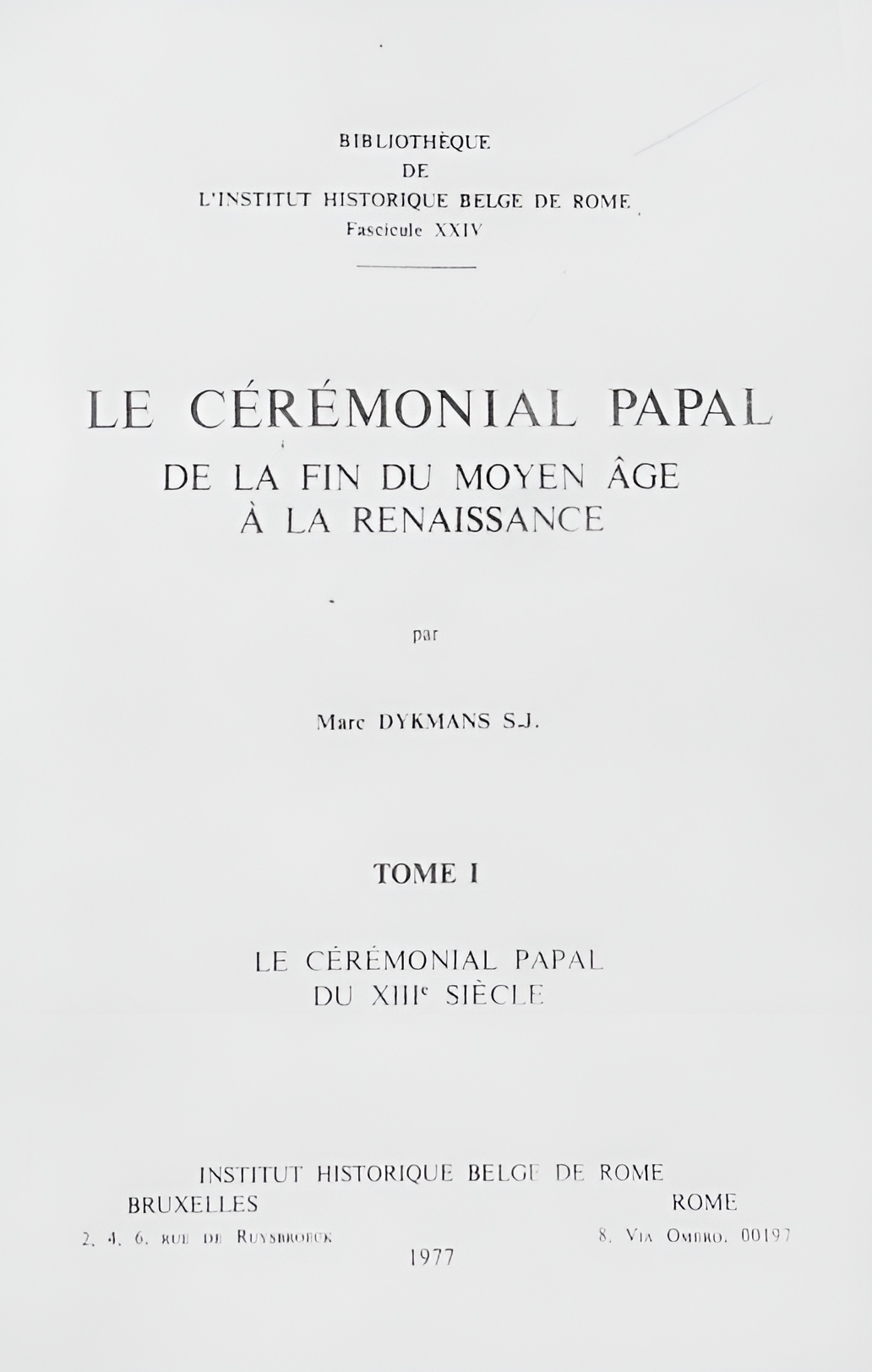
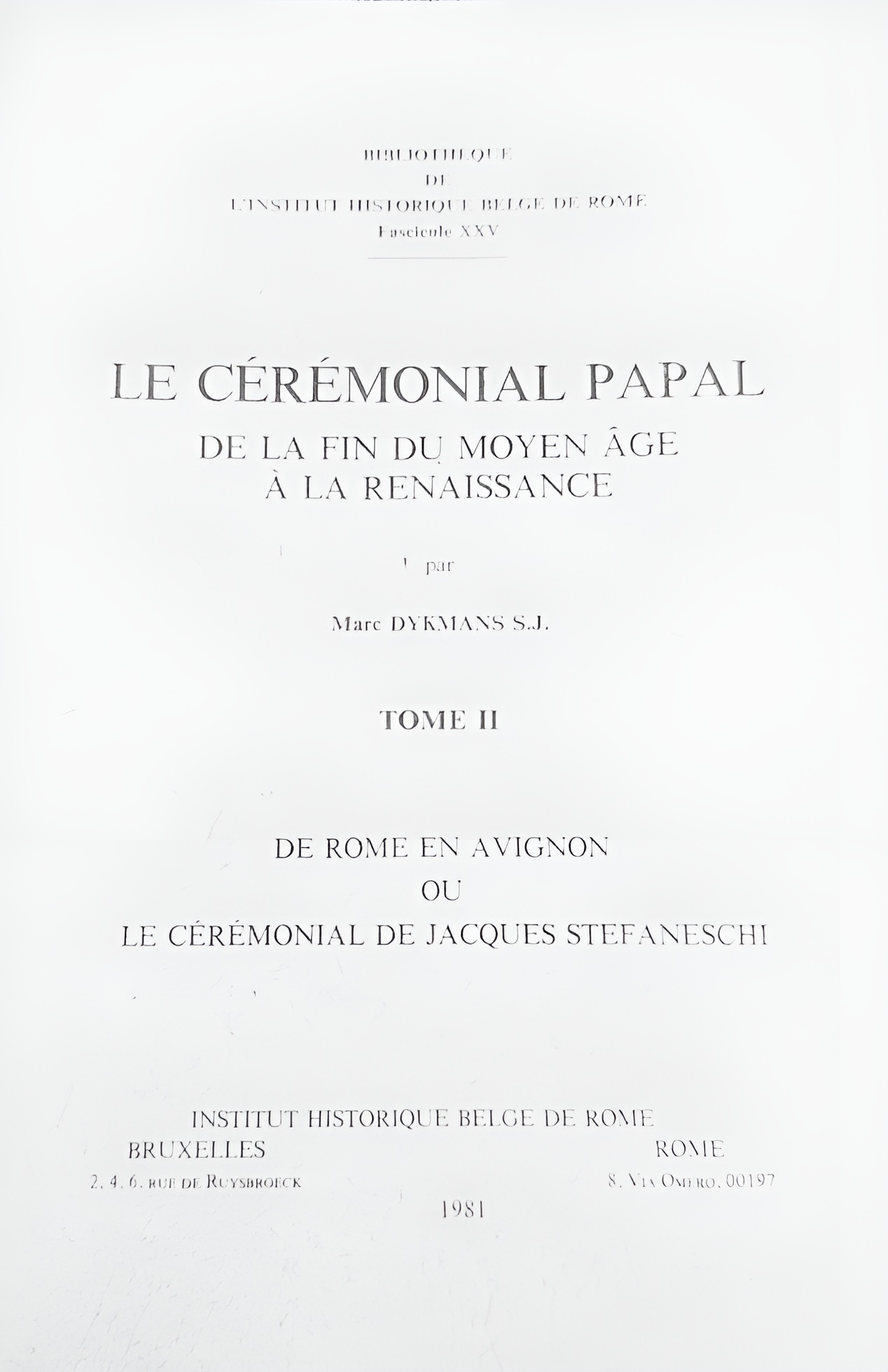
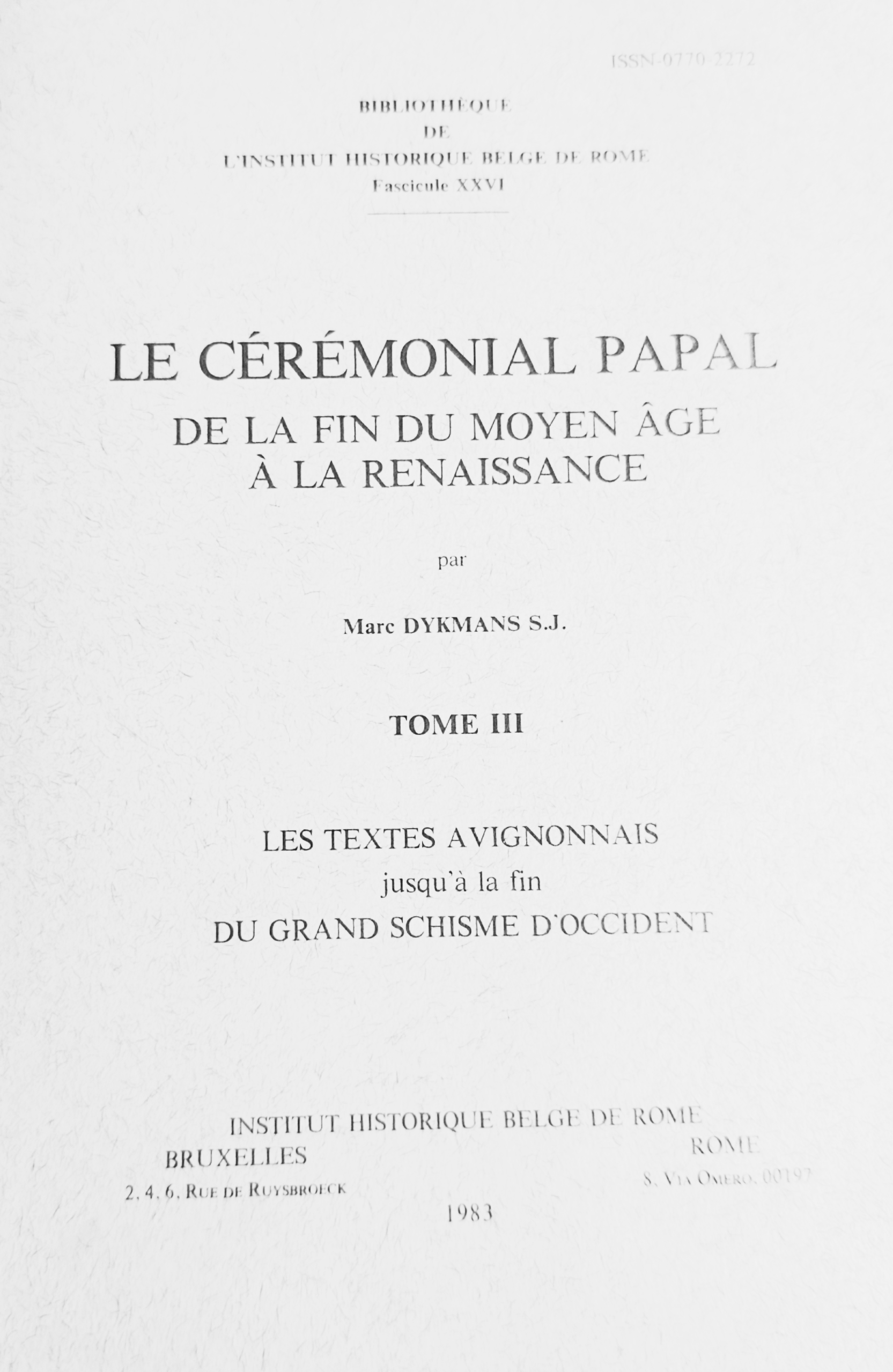
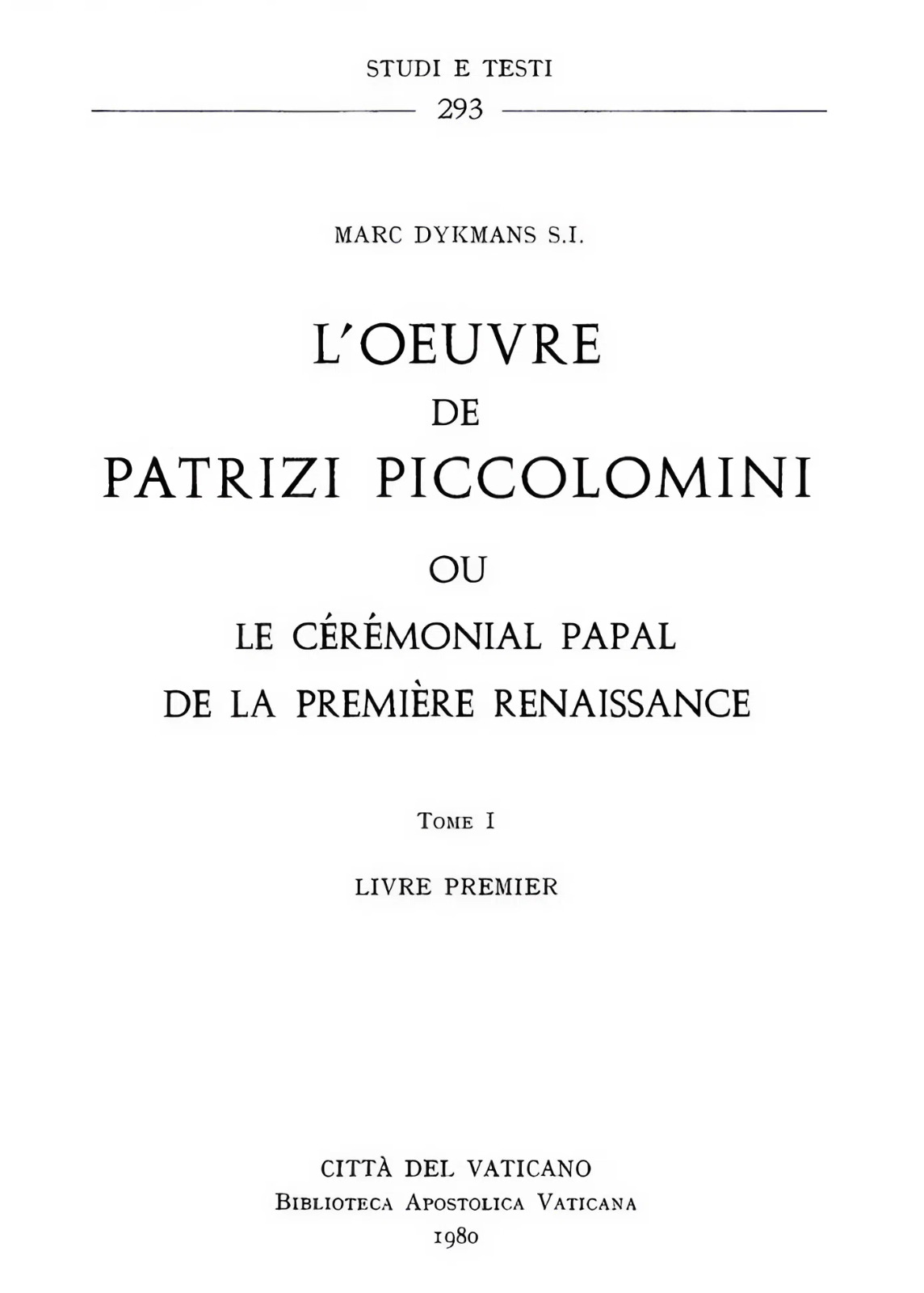
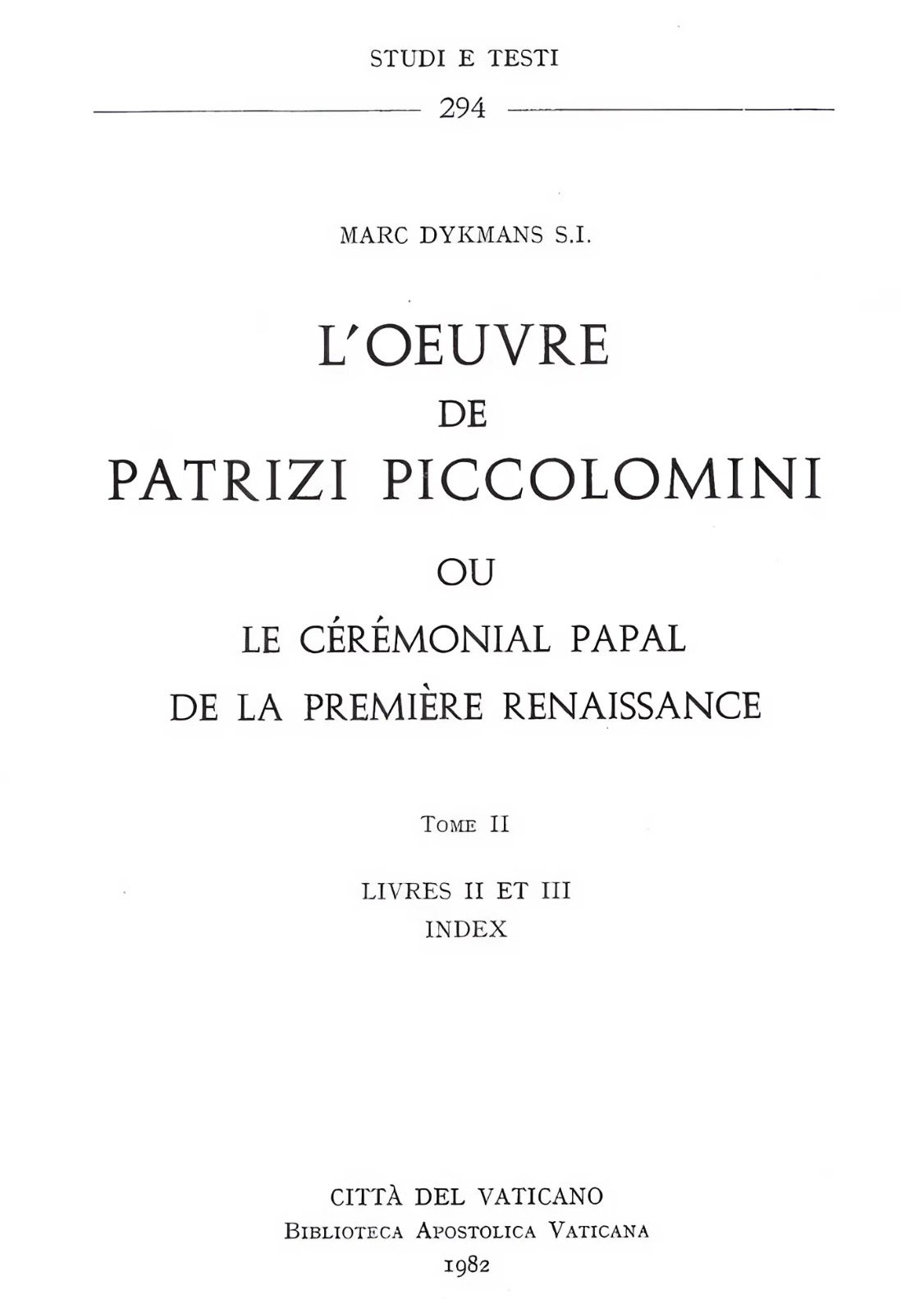
L’oeuvre de Patrizi Piccolomini ou le cérémonial papal de la première renaissance:
APOSTOLIC CEREMONIAL BEFORE THE PONTIFICATE OF INNOCENT VIII
(EDITION OF THE URBINATE LATIN 469 MANUSCRIPT OF TAMBURINI AND NABUCO)
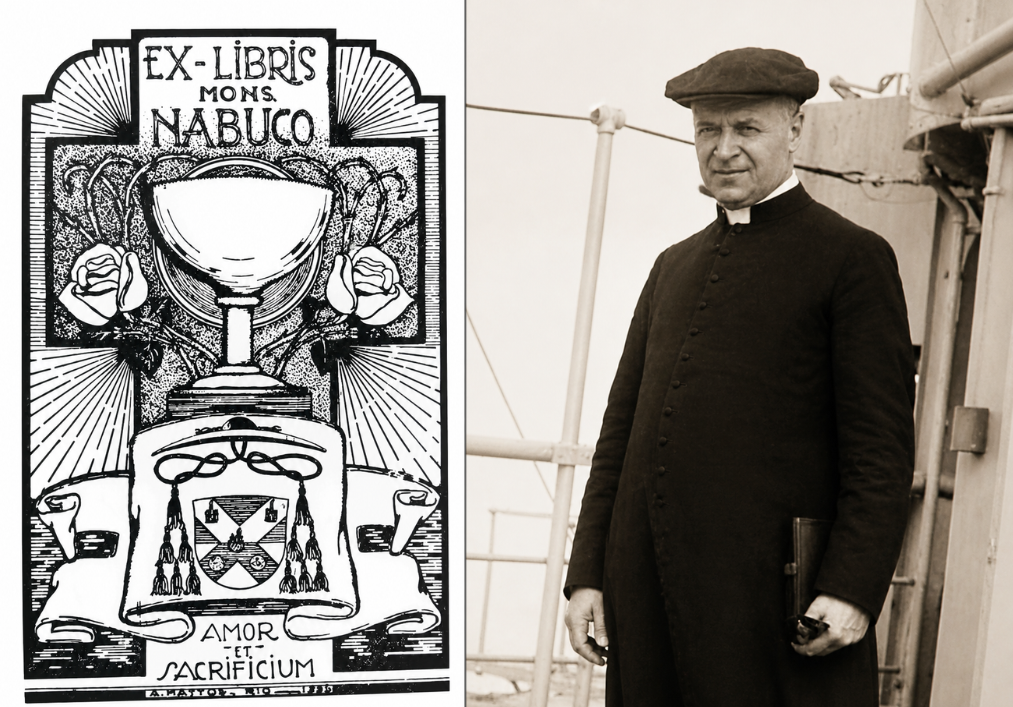
Cérémonial Apostolique avant Innocent VIII:
RECOMMENDED READINGS
- J. Nabuco, La liturgie papale et les origines du Cérémonial des Évêques [in:] Miscellanea liturgica in honorem L. Cuniberti Mohlberg, t. I, Bibliotheca „Ephemerides Liturgicae” 22, Roma 1948, p. 283-300.
- B. Schimmelpfennig, Die Zeremonienbücher der römischen Kirche im Mittelalter, Tübingen 1973.
- F. Quoëx, Du cérémonial papal au missel romain: rites eucharistiques [in:] C[entre] I[nternational [d’]E[tudes] L[iturgiques], Vénération et administration de l’Eucharistie (Actes du second colloque d’études historiques, théologiques et canoniques sur le rite catholique romain. Notre-Dame-du-Laus – 9 au 11 octobre 1996), Paris 1997, p. 211-212.
- M. A. Visceglia, C. Brice (red.), Cérémonial et rituel à Rome (XVIe-XIXe siècle), Rome 1997.
- J. Bölling, Das Papstzeremoniell der Renaissance. Texte – Musik – Performanz, Frankfurt am Main 2006.
- B. Krzych, History and Meaning of the Papal Ceremonial in the History of the Liturgy, „Caeremoniale Romanum Bulletin” 2 (2011), p. 3-16.
- B. Krzych, Od ceremoniału papieskiego do ceremoniału biskupiego. Wpływ renesansowej Cappella Papale na liturgiczny rytm życia stolic biskupich, „Ruch Biblijny I Liturgiczny” 73(4) [2020], p. 293-308.
- P. Milcarek, Ceremoniał Rzymski, [in:] idem, Staraniem najwyższych biskupów. Księgi liturgiczne Kościoła oraz ich dokumenty zatwierdzające wydane przez Stolicę Apostolską. Tekst łaciński i polski. Część pierwsza: księgi rytu rzymskiego z okresu od pierwszych wydań drukowanych do Soboru Watykańskiego II (XV-XX w.), Kraków 2022, p. 127.
- Ł. Celiński, Il Caeremoniale nella storia della Messa Romana, „Warszawskie Studia Teologiczne” 36(2) [2023], p. 88-107.