Die 22 februarii Anno Domini 2026
In Cathedra S. Petri Apostoli Antiochiæ
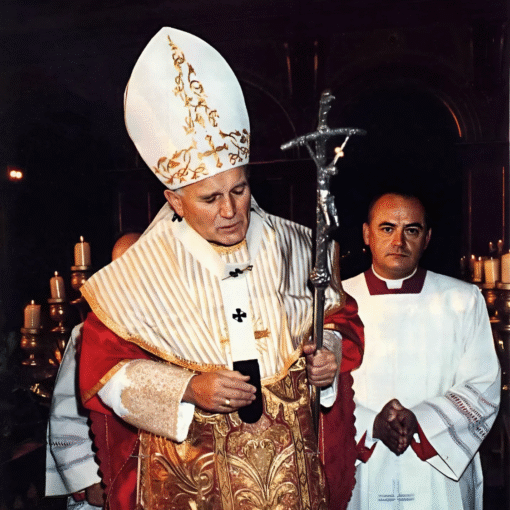
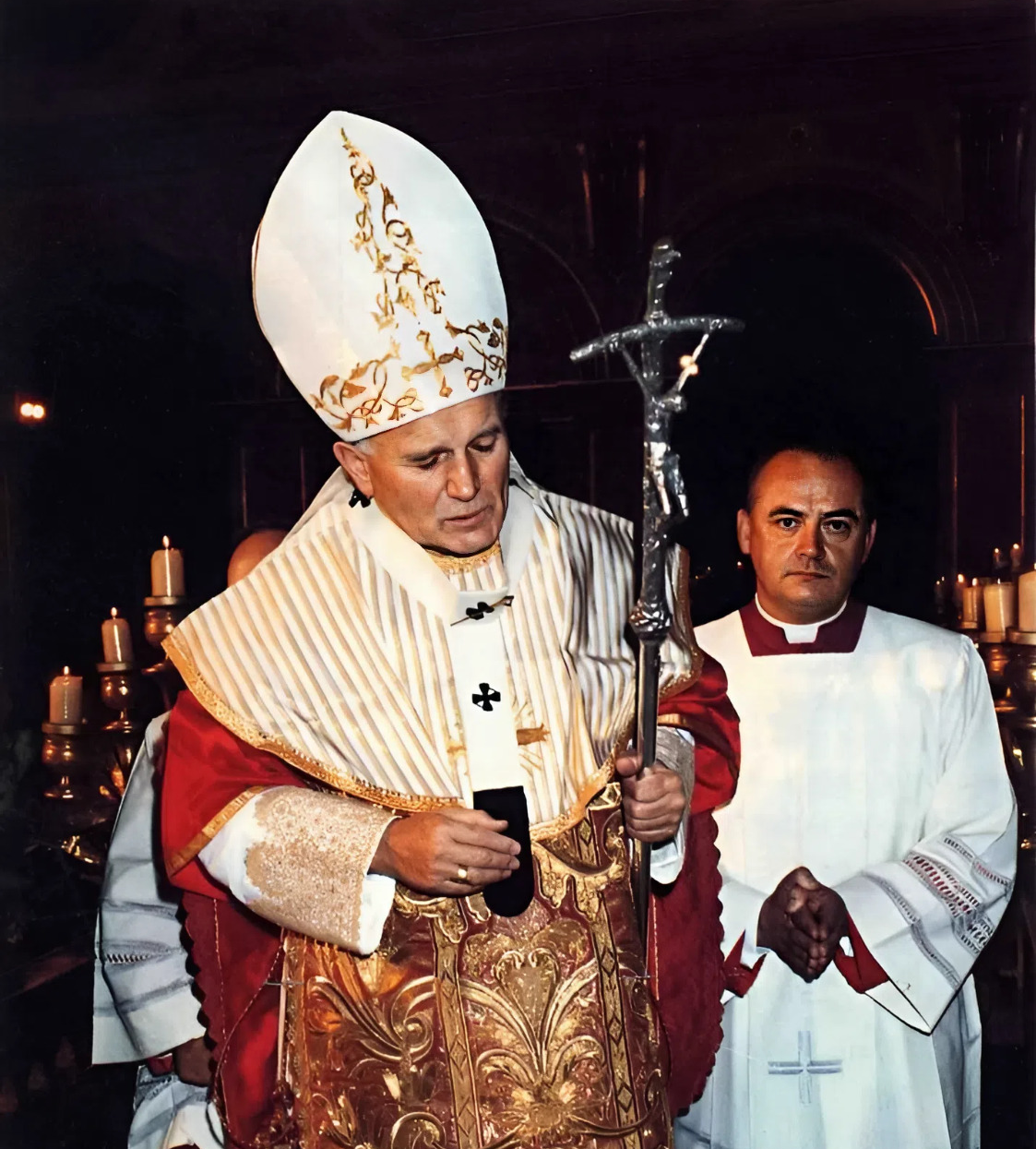
One of the most iconic figures of the 20th-century Papal Court. Longtime Master of Apostolic Ceremonies. A Roman by birth and spirit. A philosopher, theologian, canonist and liturgist. A priest, bishop and cardinal of the Holy Roman Church. A man who lived through his era to the fullest and — unfortunately — may have witnessed the beginning of its decline. Enrico Dante, for he is the one we are talking about, is known primarily as the liturgical „right hand” of successive popes (from Pius X to Paul VI). Who was he, really?
Source: CR archive.
I. BIOGRAPHY, OR THE LIFE AND WORK OF THE ROMAN DANTE
This is a summary of the most important information developed as part of our project "Enrico S.R.E. Card. Dante – Il Maestro". In each section: 1) a detailed biography of the cardinal has been prepared; 2) documents related to his ecclesiastical career have been made available; 3) materials from his episcopal consecration have been presented; 4) a ad experimentum ceremonial, multimedia, and texts related to Enrico Dante's cardinalship have been published.
Enrico Dante was born on July 5, 1884, in Rome. He had four brothers. His mother died when he was eight. He received his early education in Paris, where he primarily acquired his humanities and cultural studies. He then became a graduate of the Capranica College in Rome, where he studied and prepared for the priesthood. In 1901, he began his studies at the Pontifical Universities in Rome, culminating in three doctorates: in philosophy, theology, and canon law. On July 3, 1910, Dante was ordained a priest.
After receiving priestly ordination, Father Enrico Dante continued his higher education and zealously embarked on pastoral ministry: he taught and catechized, administered the Holy Sacraments, and engaged in various pastoral activities, including for people outside the main districts of Rome. In 1911, the Roman priest became a university lecturer at the Pontifical Athenaeum subordinate to the Congregation for the Propagation of the Faith: first in philosophy, then in theology (from 1928).
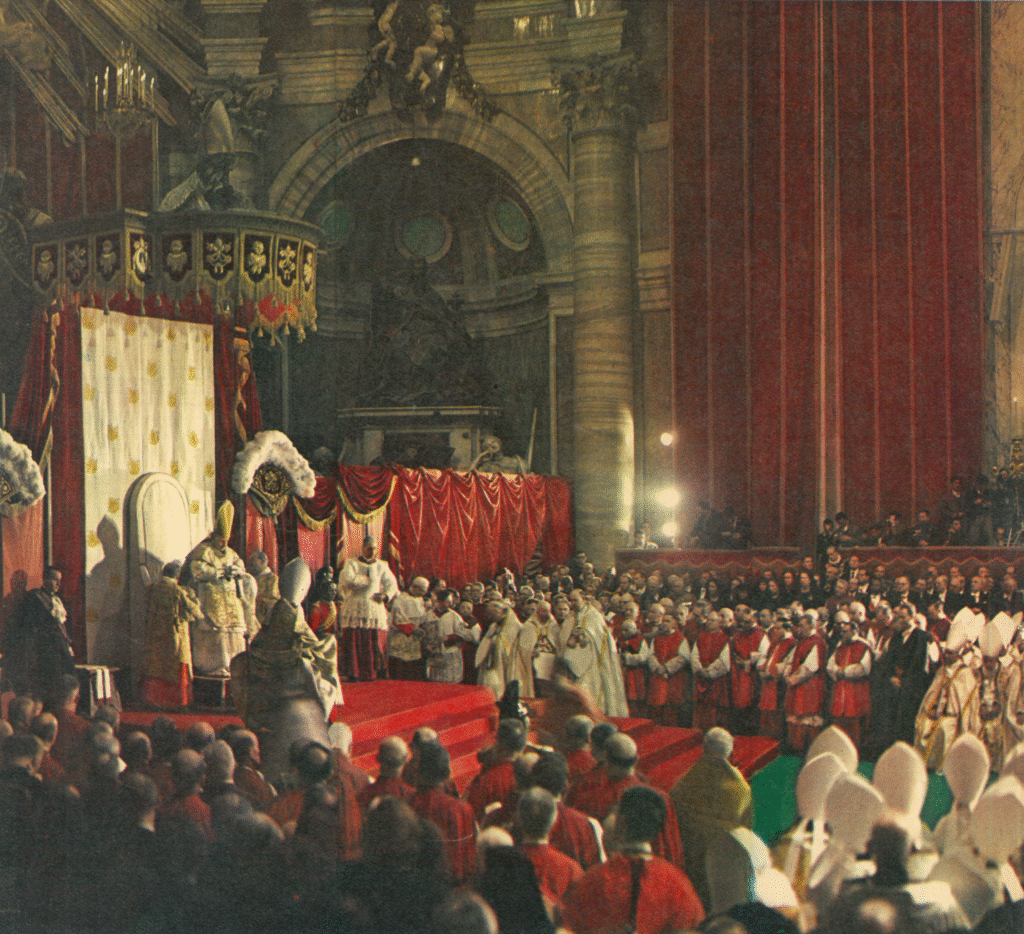
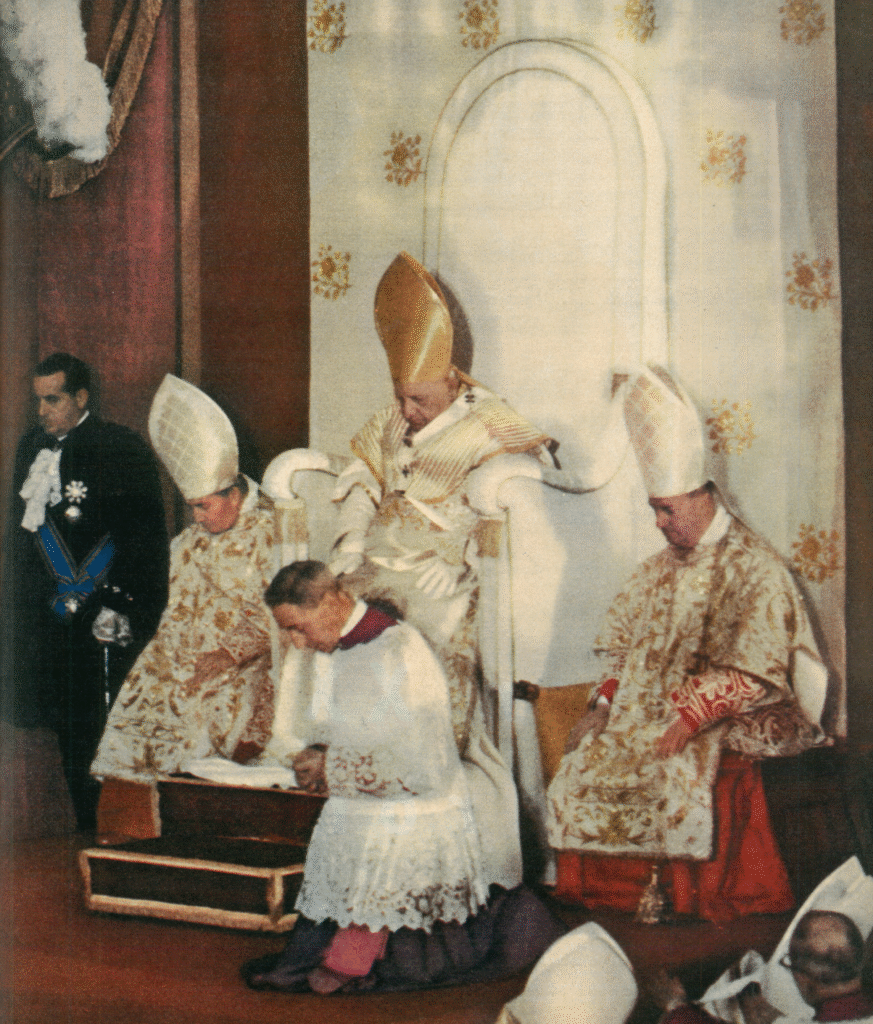
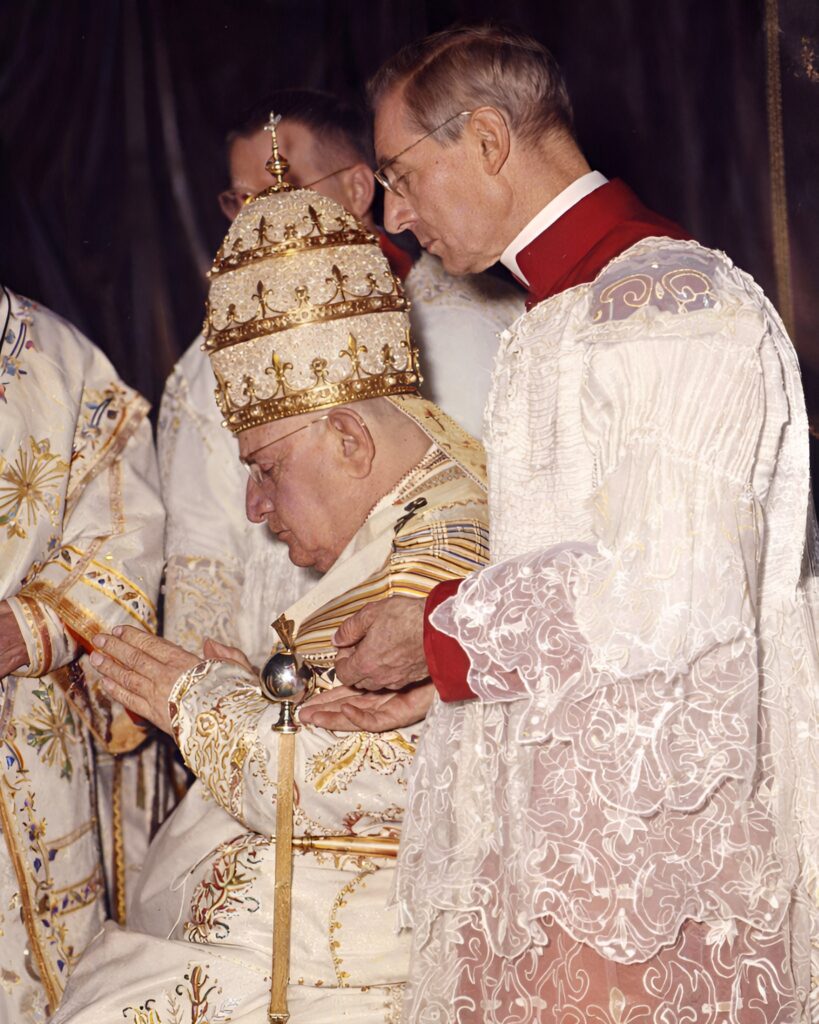
Enrico Dante’s career within the Holy See began in 1913, when he was appointed Official of the Sacred Apostolic Penitentiary. On March 25, 1914, Pope Pius X incorporated him into the College of Papal Masters of Ceremonies, of which he became Prefect on June 13, 1947. He also served in the Sacred Congregation of Rites (from 1923) and the Sacred Congregation of Ceremonial (from 1943). It was his service to the Roman Church and to the successive successors of St. Peter as Apostolicarum Caeremoniarum Magister that was Enrico Dante’s most important and most valued work. Over the following decades, he not only had a real influence on preserving and cultivating the traditions and customs of the Papal Court – he oversaw, among other things, over the course of subsequent conclaves, papal coronations, jubilees, he took part in preparing the ceremonial for the proclamation of the Dogma of the Assumption of the Blessed Virgin Mary and the first episcopal ordinations conferred by the Pope in the Byzantine Rite – but he also carried out a reform of the archives of the College of Masters of Papal Ceremonies, leaving behind an extremely valuable handwritten two-volume catalogue.
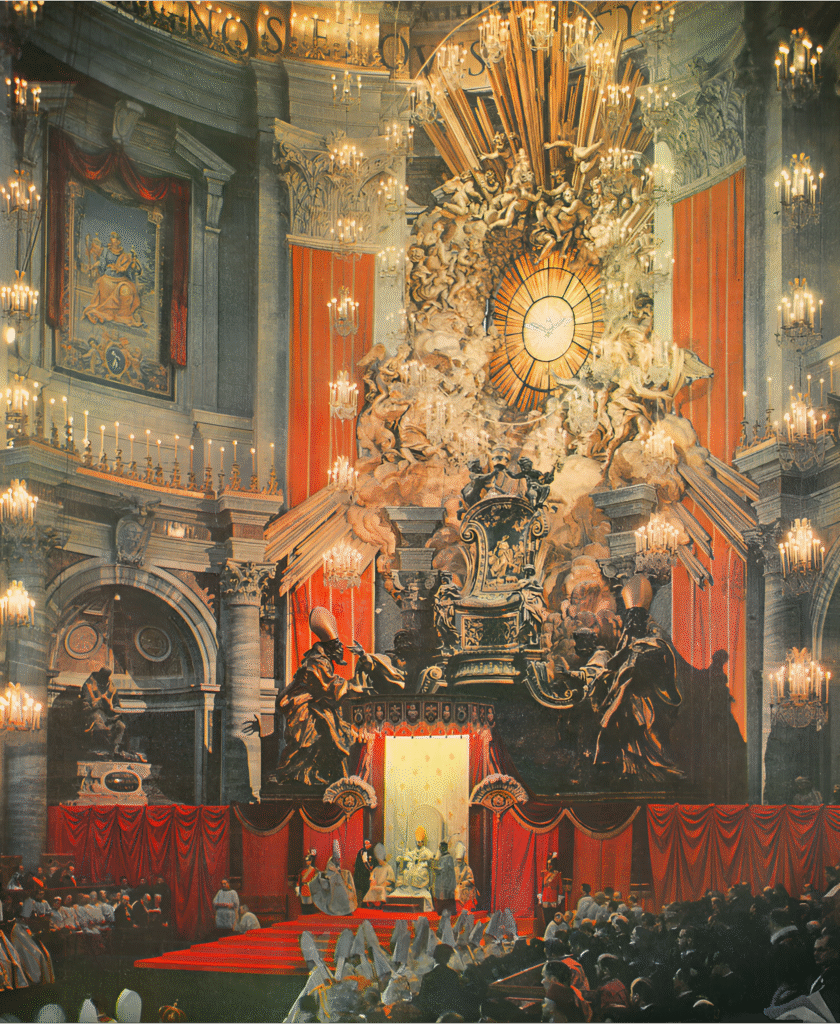
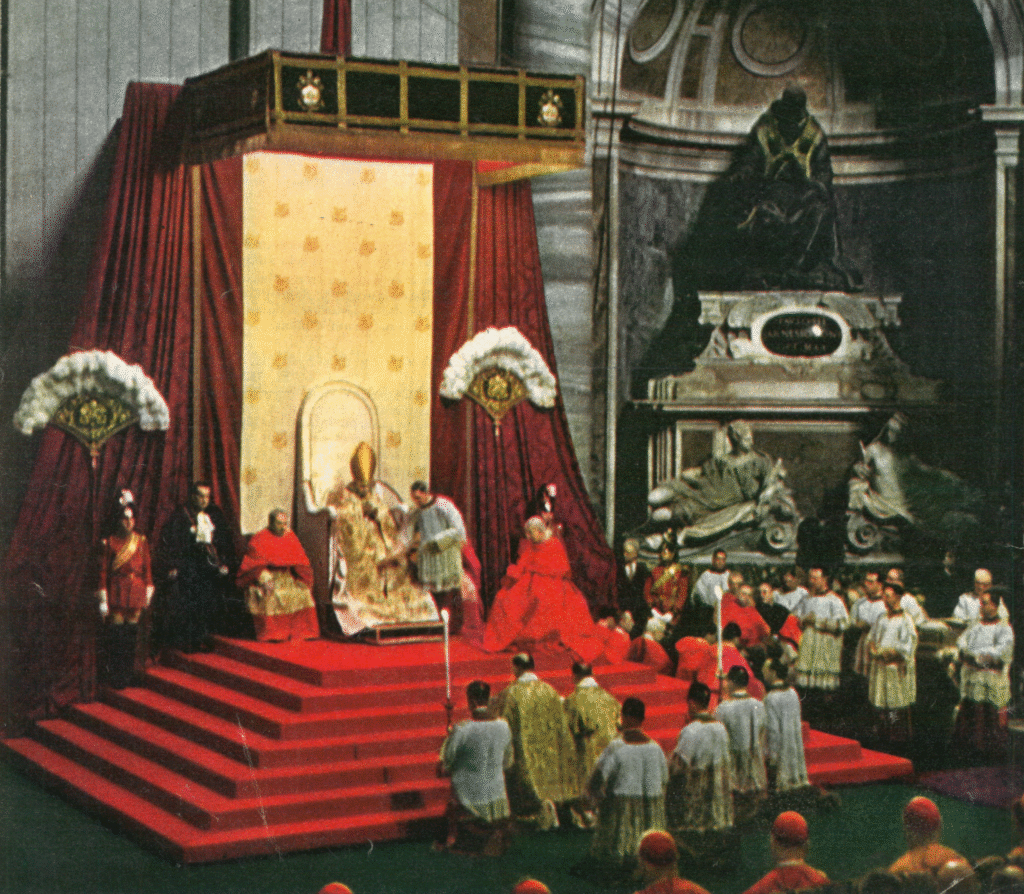
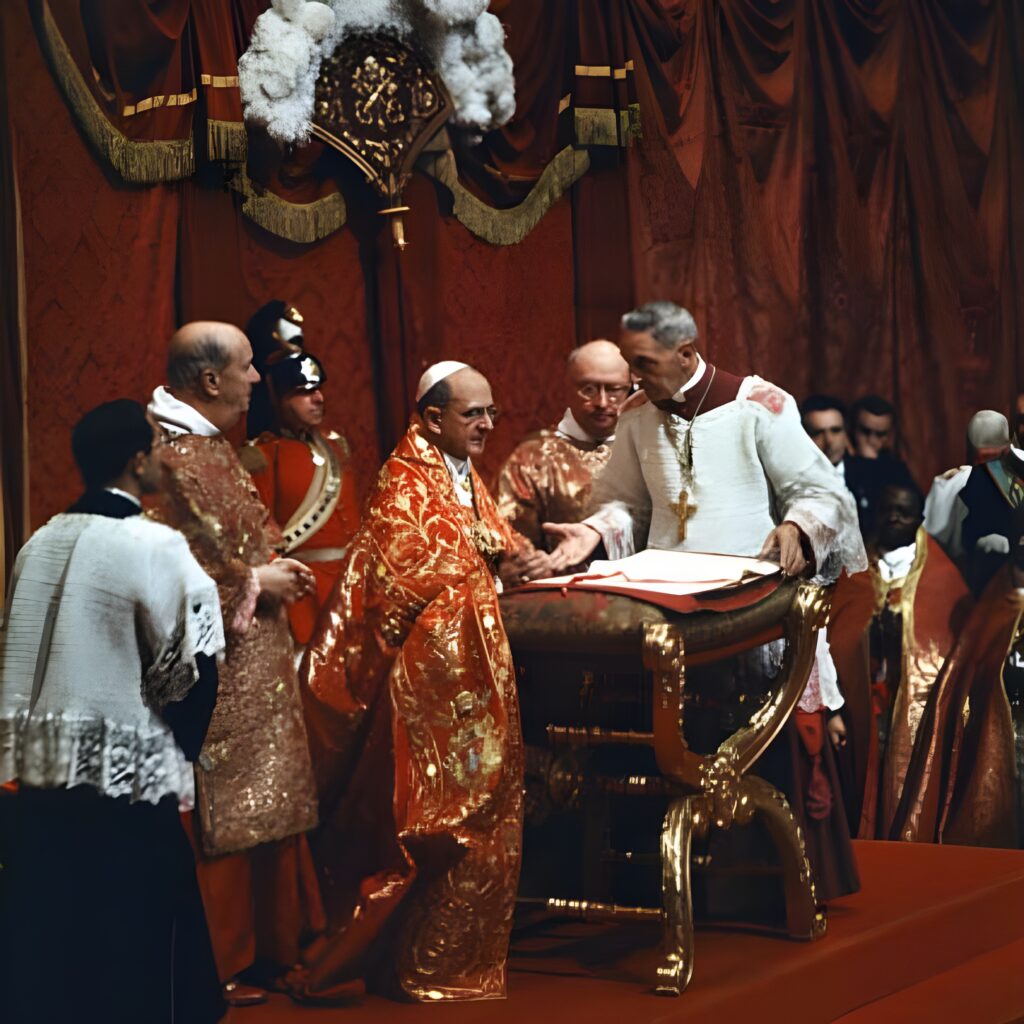
Source: CR Archive.
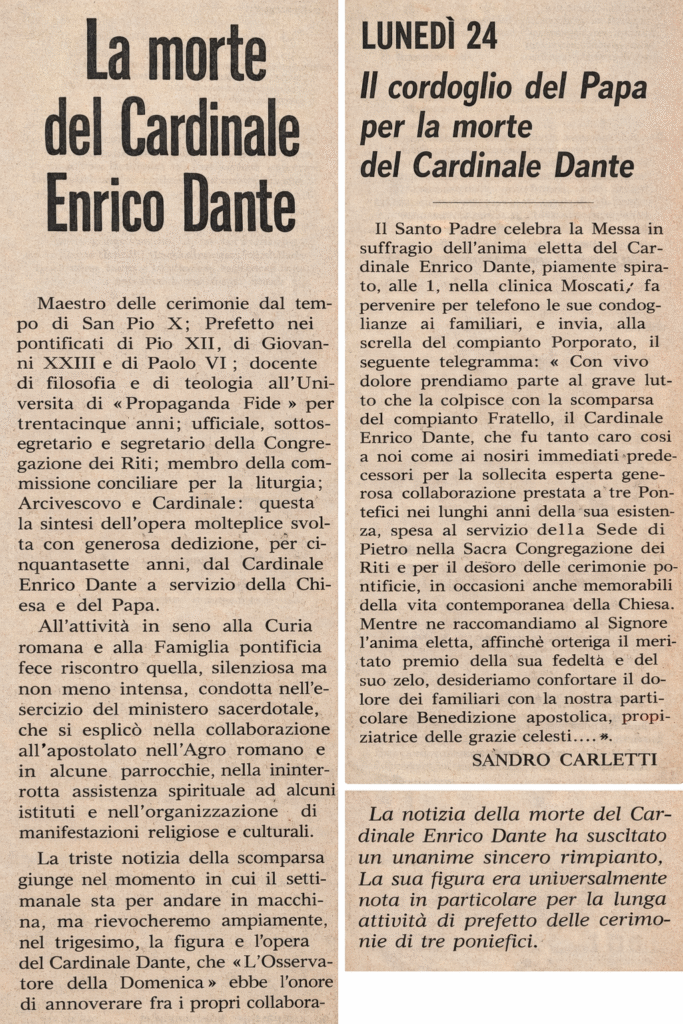
On August 28, 1962, he received episcopal consecration from Pope John XXIII, which allowed him to participate in the proceedings of Vaticanum Secundum as a Council Father (the solemn opening of the Second Vatican Council took place on October 11, 1962). Three years later, almost a year before the council closed (December 8, 1965), in recognition of his services, Pope Paul VI created Enrico Dante a cardinal (public consistory on February 22, 1965). Two years later, on April 24, 1967, Cardinal Enrico Dante passed away after spending several months in hospital, where he was visited by the Pope himself. Cardinal Dante died of advanced cancer. The cardinal’s funeral took place on April 27, 1967. The hierarch’s mortal remains were interred in his titular church of Santa Agata dei Goti, where they remain to this day.
Throughout his life, Cardinal Enrico Dante was honored with numerous titles, awards, and distinctions, both ecclesiastical and secular. He belonged to numerous honorary and esteemed chivalric orders (including the Sovereign Military Order of Malta and the Equestrian Order of the Holy Sepulcher of Jerusalem). He actively supported local sporting activities and the athletes themselves. He was known as a true Roman who loved his homeland.
II. CARDINAL ENRICO DANTE AND THE REFORM OF THE LITURGY
A detailed discussion of the views, statements and interventions of Monsignor Enrico Dante during the work of the individual council commissions is presented in the study: 5) Cardinal Enrico Dante and the issue of liturgical reform.
Monsignor Enrico Dante actively participated in the preparatory work for the Second Vatican Council. Thanks to Pope John XXIII’s decision to consecrate him a bishop in 1962, he was also able to participate in the council’s proceedings as one of its Fathers. Dante was a member of the commissions and bodies entrusted with preparing and implementing the liturgical reform based on the constitution Sacrosanctum Concilium on the Sacred Liturgy of December 4, 1963.
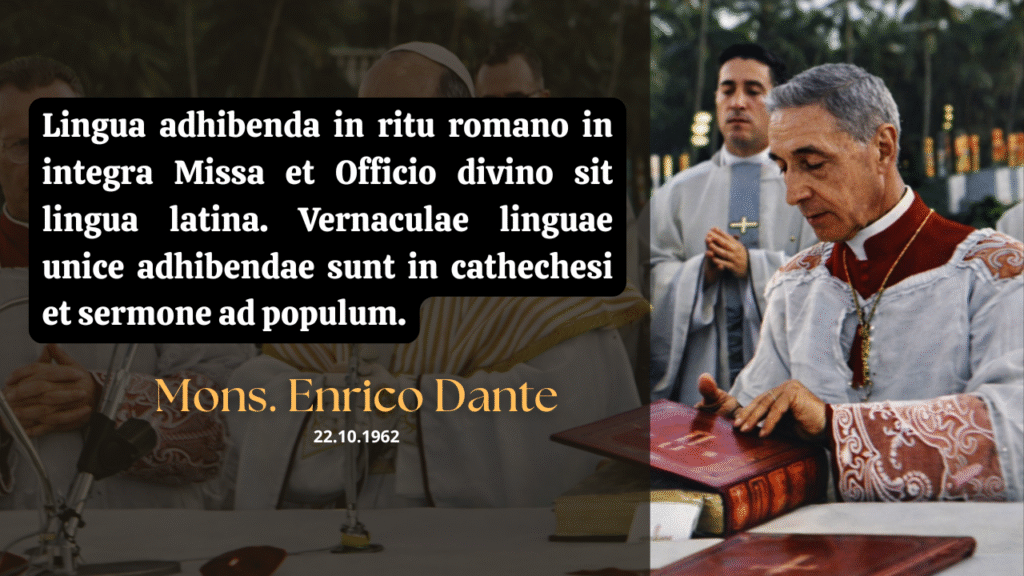
Available information and preserved accounts, including firsthand accounts such as the memoirs of Archbishop Annibale Bugnini, indicate that Cardinal Enrico Dante maintained a conservative stance to the very end, and at various meetings, he distinguished himself as a defender of the customs and traditions of the Roman Church. As an experienced pastor, he recognized the need to revitalize the faithful’s participation in divine worship (for example, he permitted the use of vernacular languages in the renewal of baptismal promises), but not at the expense of the unity of worship (for example, he retained Latin in liturgical rites and readings — which did not exclude rereading from the pulpit in vernacular languages).
During meetings of the bodies responsible for shaping the reform, he often directly opposed its principal architects, but he was in the minority. Nevertheless, Monsignor Enrico Dante was able to acknowledge the majority’s voice and, in a spirit of obedience, accepted the changes and proposals approved by Pope Paul VI, which, as Master of Apostolic Ceremonies, he was the first to introduce into the papal liturgy (changes to liturgical vestments to be „simple and noble,” simplifications in the rites of the papal chapels, abandonment of the ancient rite of the Solemn Papal Mass, the first concelebrated Masses, etc.).
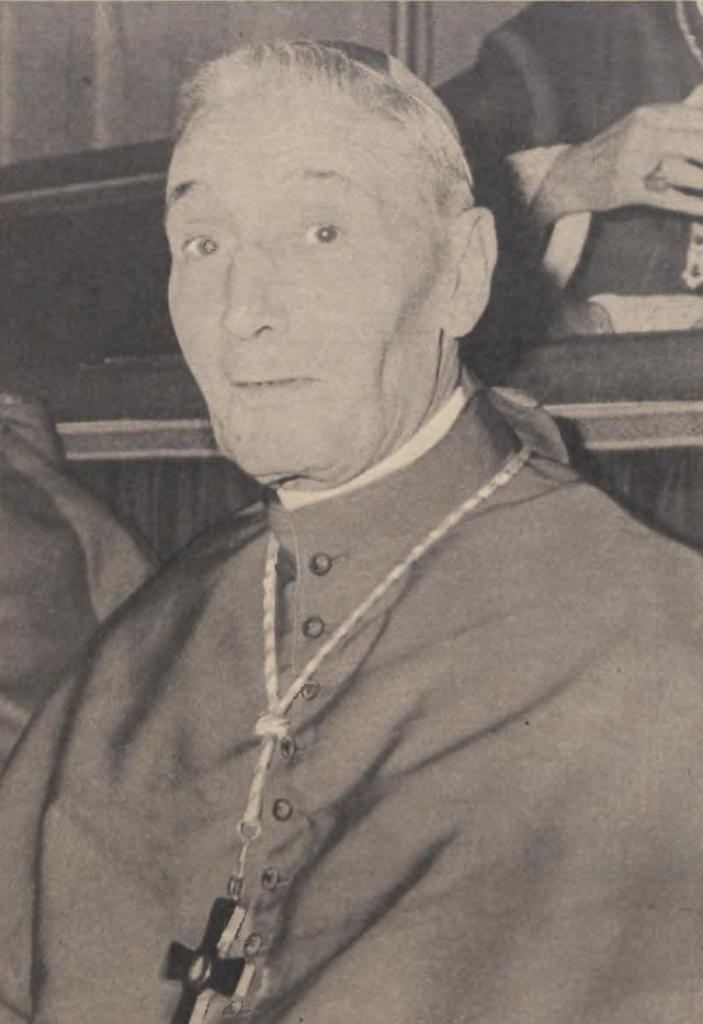
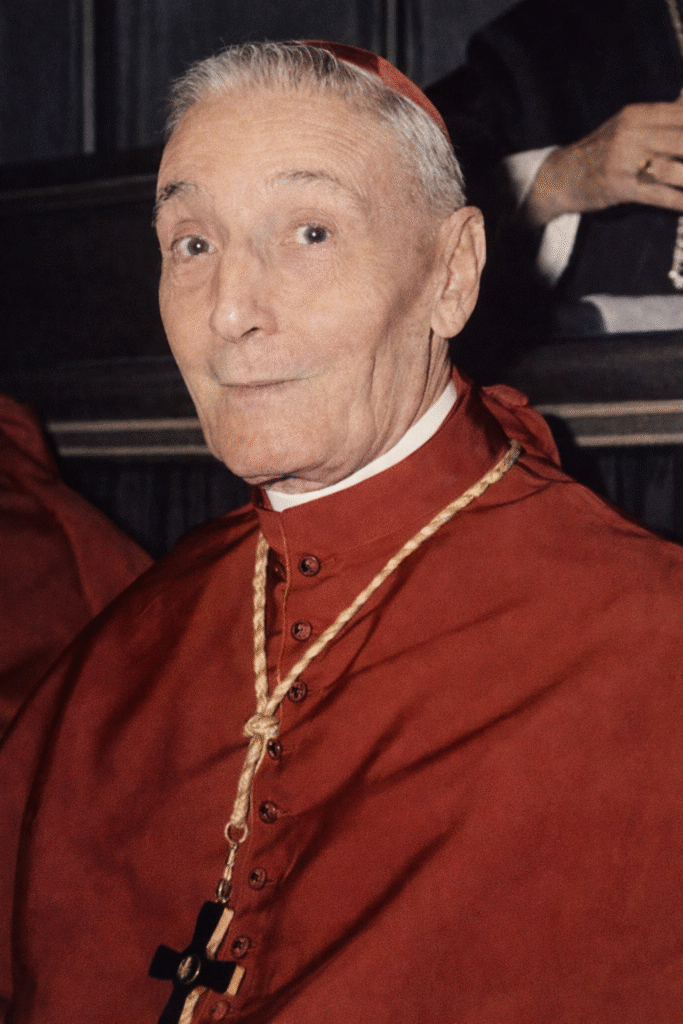
Source: Osservatore Romano della Domenica of 30 April 1967 (XXXIV/18/1719)
A clear assessment of Cardinal Enrico Dante is difficult because, first of all, he died before the new Institutio generalis Missalis Romani was approved and the completely new Roman Missal was promulgated (1969-1970); moreover, there has been no detailed analysis of all his statements, actions and interventions, nor have the diaries he wrote, which are kept in the archives of the Office for the Liturgical Celebrations of the Supreme Pontiff, been published (it is known that Monsignor Enrico Dante kept a diary, but it is not known how regularly).
III. MASTER OF PAPAL CEREMONIES IN THE GLORY OF THE ALTARS?
Dum illorum vitam conspicimus, qui Christum fideliter sunt secuti, nova quadam ratione ad futuram Civitatem inquirendam incitamur et tutissime viam edocemur qua, inter mundanas varietates, secundum statum condicionemque unicuique propriam, ad perfectam cum Christo coniunctionem seu sanctitatem pervenire possumus. Nimirum tantam habentes impositam nubem testium, per quos Deus nobis fit praesens nosque alloquitur, ad Regnum suum in caelis adipiscendum magna virtute attrahimur.

Quae signa et vocem Domini sui maxima cum reverentia et docilitate suscipiens, Sedes Apostolica, ab immemorabilibus temporibus, pro gravi munere sibi concredito docendi, sanctificandi atque regendi Populum Dei, fidelium imitationi, venerationi et invocationi proponit viros et mulieres caritatis aliarumque evangelicarum virtutum fulgore praestantes, eosque, post debitas pervestigationes peractas, in solemni canonizationis actu Sanctos vel Sanctas esse declarat.

Ioannes Paulus II, Constitutio Apostolica Divinus Perfectionis Magister, die XXV mensis Ianuarii anno MCMLXXXIII
Cardinal Enrico Dante’s life was a service to God, the Church, and the people. The accounts available indicate that he was not only a man devoted to his duties and responsibilities, but above all, a priest who faithfully and zealously fulfilled his duties. Aside from criticism from figures like Archbishop Annibale Bugnini (which in this case should be considered a virtue), there are no negative accounts or comments regarding Cardinal Enrico Dante’s person or life. On the contrary: the memories left behind are a testament to the goodness and holiness of the Roman priest. Moreover, there is a significant contemporary group of people inspired by Cardinal Enrico Dante, especially in the fields of liturgy and liturgical service. There are also those who would see Dante as the patron of the Office for the Liturgical Celebrations of the Supreme Pontiff.
The beatification process of the Master of Apostolic Ceremonies would be a fundamentally unprecedented event, especially in modern and contemporary Church history. However, to consider it with any seriousness, it would be necessary to compile a detailed scholarly biography of Cardinal Enrico Dante. This is a task for a courageous and uncompromising historian. It remains to be hoped that such a valuable ecclesiastical figure as Cardinal Enrico Dante will finally merit the attention of professional researchers and the Church itself.
RECOMMENDED VIDEOS
RECOMMENDED READINGS
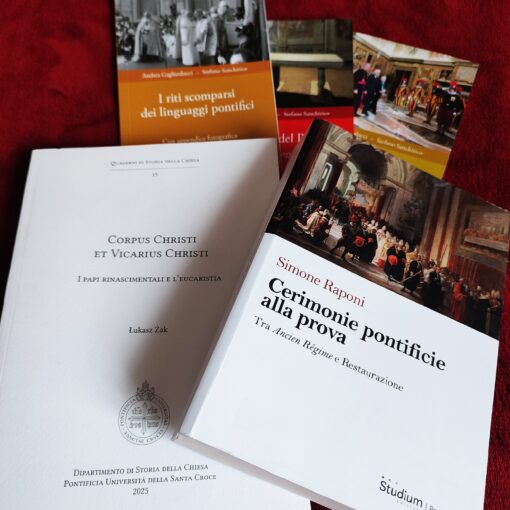
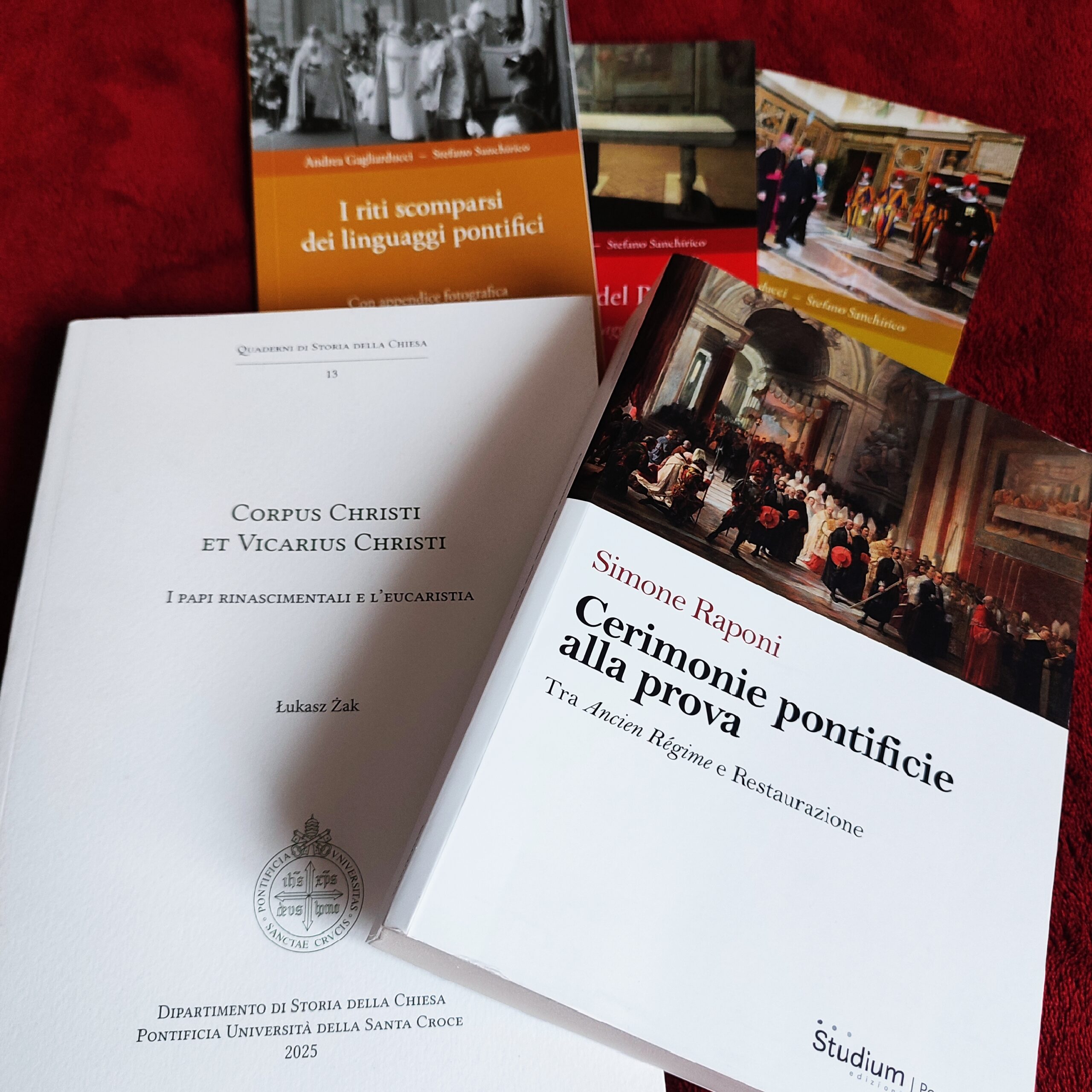
- Articles and materials collected in the „Enrico S.R.E. Card. Dante – Il Maestro” project.