Die 26 octobris Anno Domini 2026
Sancti Evaristi Papæ et Martyris
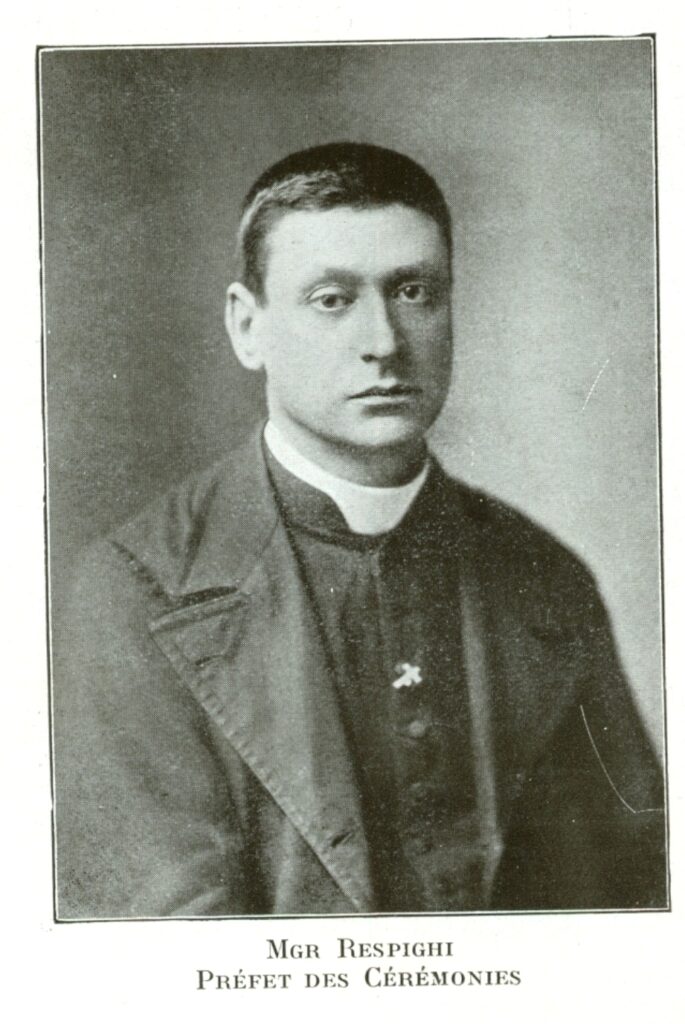
He was a man who fully lived his era — this is how Annibale Bugnini summarized the life of Carlo Respighi. There is not a shred of exaggeration in these words. Although the image of Prelate Respighi is less well-known and less widely recognized than that of his successor as Prefect of the Apostolic Ceremonies, Cardinal Enrico Dante, his achievements deserve equal, if not even greater, acclaim. Who, then, was Monsignor Carlo Respighi? He was a Roman by both spirit and origin, an Apostolic Protonotary, a long-serving Master of Papal Ceremonies, an expert in liturgical music and Gregorian chant, a tireless advocate for Christian archaeology and the veneration of ancient martyrs, and the man who revived the tradition of the „stational liturgy” in modern-day Rome.
I. Childhood
Carlo Respighi was born on April 17, 1873, in Rome, on the Capitoline Hill, where his family resided. His father was Lorenzo Respighi (1824-1889), a renowned astronomer and director of the Roman Astronomical Observatory; his mother was Lorenzo’s second wife, Virginia Selvaggi (Lorenzo married her following the death of his first wife, Carolina Respighi, with whom he had a son, Luigi). Carlo’s uncle was Cardinal Pietro Respighi (1843-1913), who later served as the Vicar General of the Diocese of Rome and Archpriest of the Archbasilica of St. John Lateran.
Carlo Respighi’s family home was situated in an environment that fostered an interest in the history of ancient Rome and Christianity; at the foot of the Capitoline Hill lived Giovanni Battista de Rossi (1822-1894), a prominent Italian archaeologist and epigrapher, and the discoverer of the Catacombs of St. Callixtus on the Appian Way in Rome. His achievements earned him the title „father of Christian archaeology.” The Respighi and de Rossi families enjoyed a close, friendly relationship.
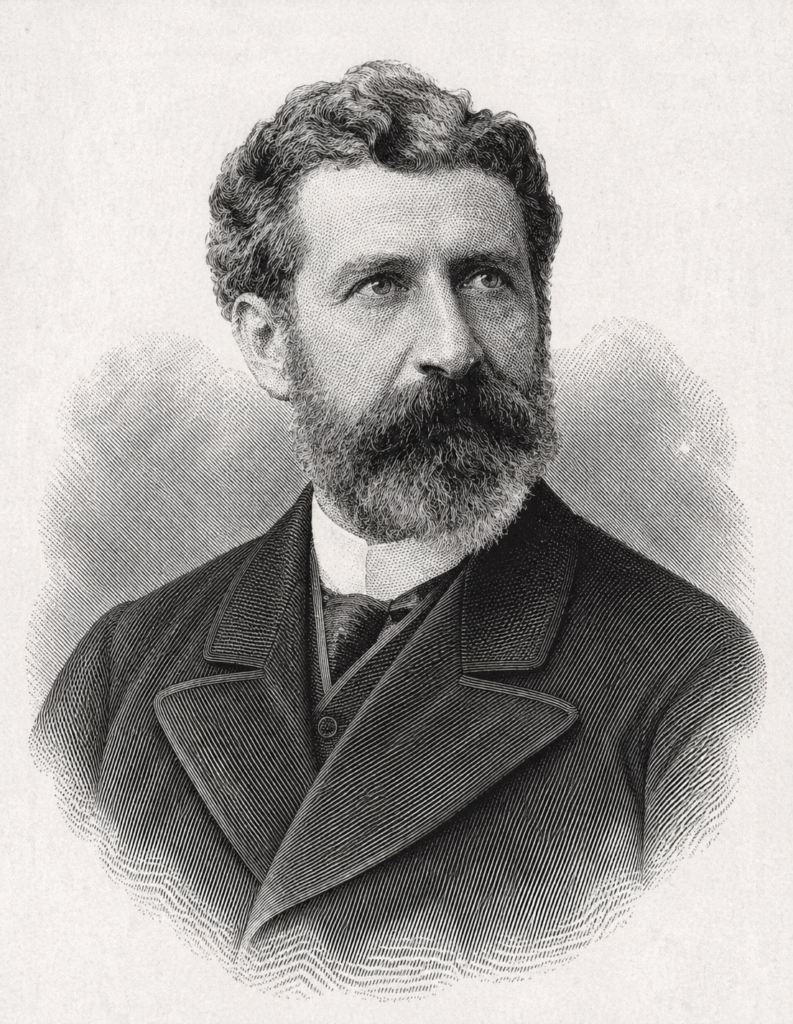
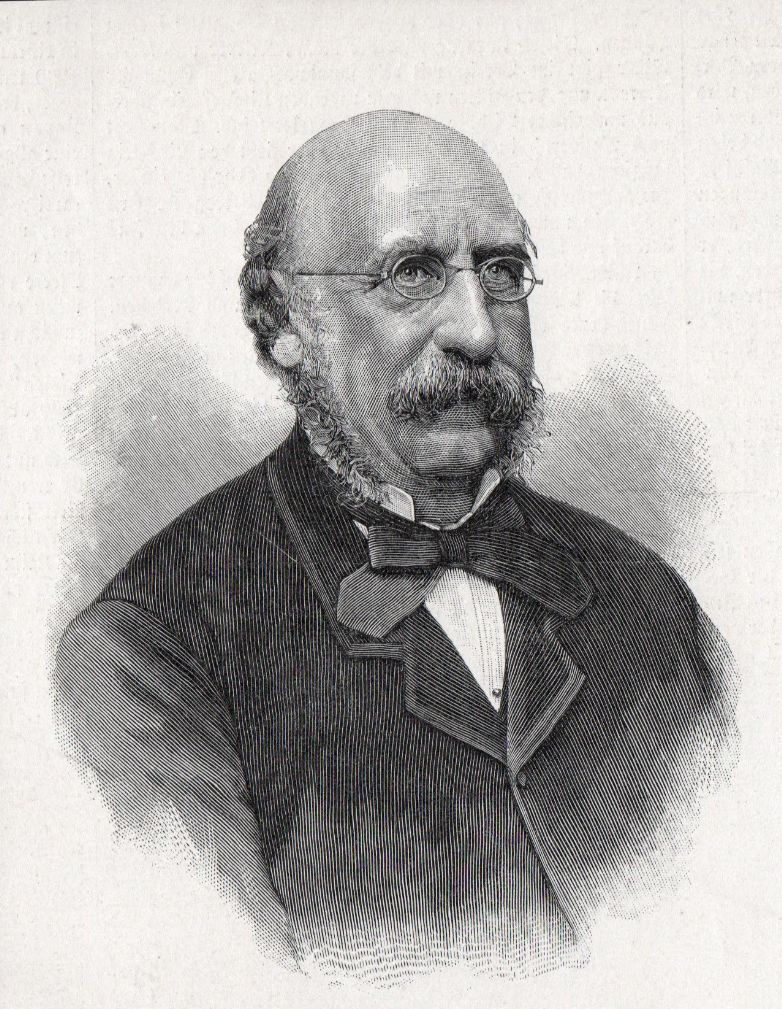
As a child, thanks to the kindness and passion of Giovanni Battista de Rossi, young Carlo had the opportunity to spend time in the catacombs under the guidance of the most eminent researcher of those sites at the time. These experiences, as it would later turn out, clearly shaped the research interests and the life path of Carlo Respighi.
II. Education
Through his association with Giovanni Battista de Rossi, Carlo Respighi was introduced to the contemporary elite of lay and clerical scholars specializing in the history of Rome and the Church, figures such as Mariano Armellini, Henry Stevenson, Orazio Marucchi, Anton de Waal, Joseph Wilpert, and Johann Peter Kirsch. As a result of these encounters, Respighi, then only sixteen years old, was admitted to the renowned Collegium Cultorum Martyrum, becoming a full member. This association, founded by de Rossi along with his collaborators and students, was dedicated to promoting Christian archaeology and fostering the veneration of martyrs at sites linked to their lives, deaths, and burials. As it would later become clear, the memory of the martyrs would serve not only as a focus of Carlo Respighi’s historical research but also as the central pillar of his priestly ministry.
In 1890, at the age of 17, Respighi entered the Almo Collegio Capranica in Rome, an institution dedicated to the education of clergy destined for direct service to the Church and the Roman Curia. Cardinal Enrico Dante was also an alumnus of this same college. Respighi completed his formation at the renowned Capranica at the age of 23 (graduating in 1896). Concurrently, he pursued philosophical and theological studies at the Pontifical Gregorian University. He did not, however, limit himself to the minimum requirements; rather, as time and opportunity allowed, he also cultivated his interests in archaeology and music, pursuits that would eventually bear fruit in his later scholarly work.
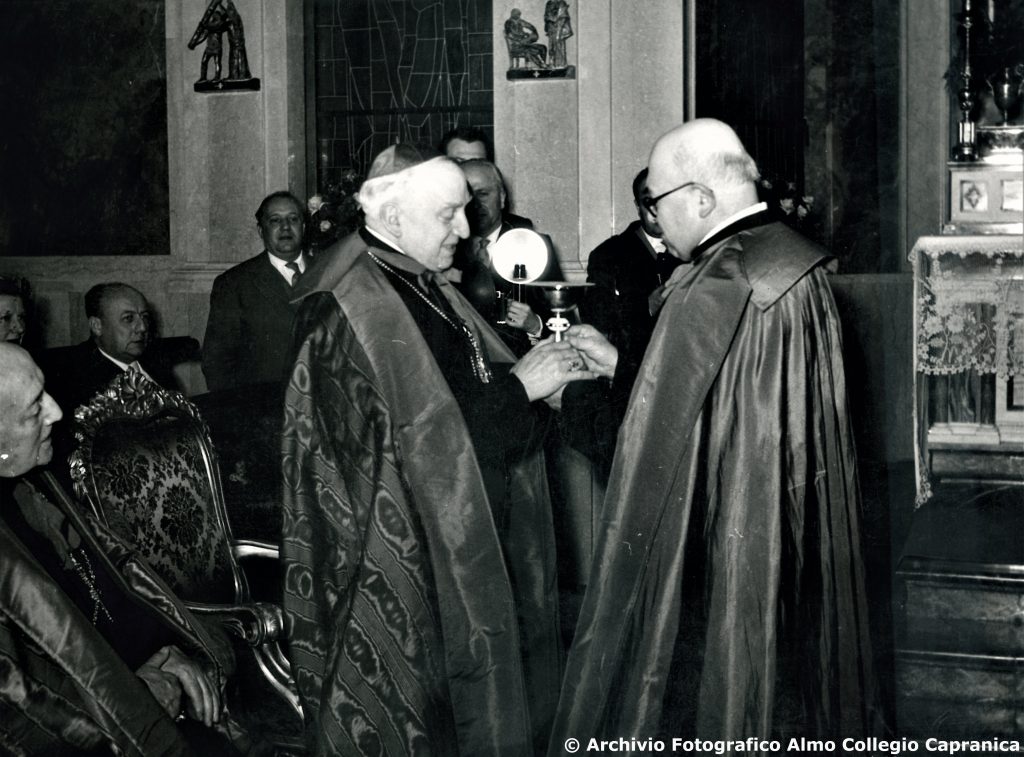
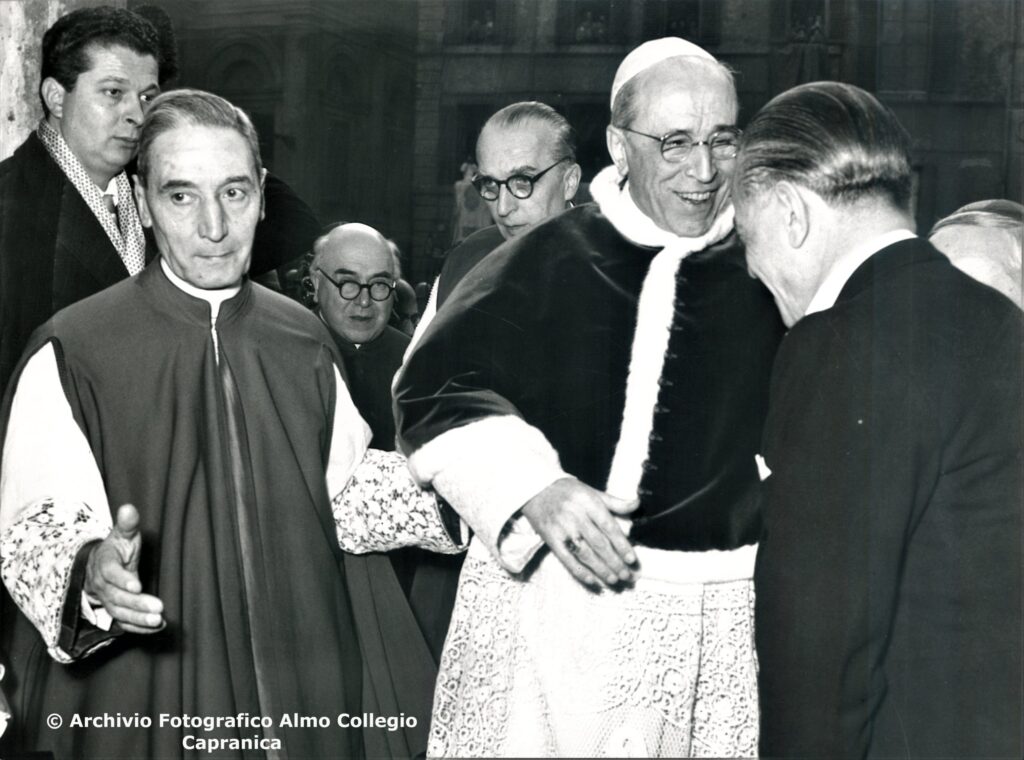
Among Respighi’s peers and friends from his seminary and university days were many future high-ranking church officials, figures such as Eugenio Pacelli (the future Pope Pius XII), Benedetto Aloisi Masella, Luigi Maglione, Francesco Marchetti Selvaggiani, and Clemente Micara.
The culmination of his spiritual formation was his priestly ordination, which Carlo Respighi received in Rome on December 21, 1895. Shortly after his ordination and the completion of his studies, he began working for the Roman Curia and engaged in liturgical and scholarly pursuits. In time, he was appointed to the chapter of the Archbasilica of St. John Lateran, eventually becoming its dean.
III. Ecclesiastical, scholarly, and pastoral activity
Just two years after his priestly ordination, Carlo Respighi was admitted by Pope Leo XIII to the College of Papal Masters of Ceremonies (1897). This occurred in an unusual manner: owing to his profound knowledge of the liturgy and his practical aptitude for organizing and directing ceremonies, he was granted a dispensation from the customary examination. He became a so-called „supernumerary” (supranumerus) member, one of four (or seven) such individuals, alongside three „ordinary” (ex numero) members, as well as the Prefect and his deputy (participantes).
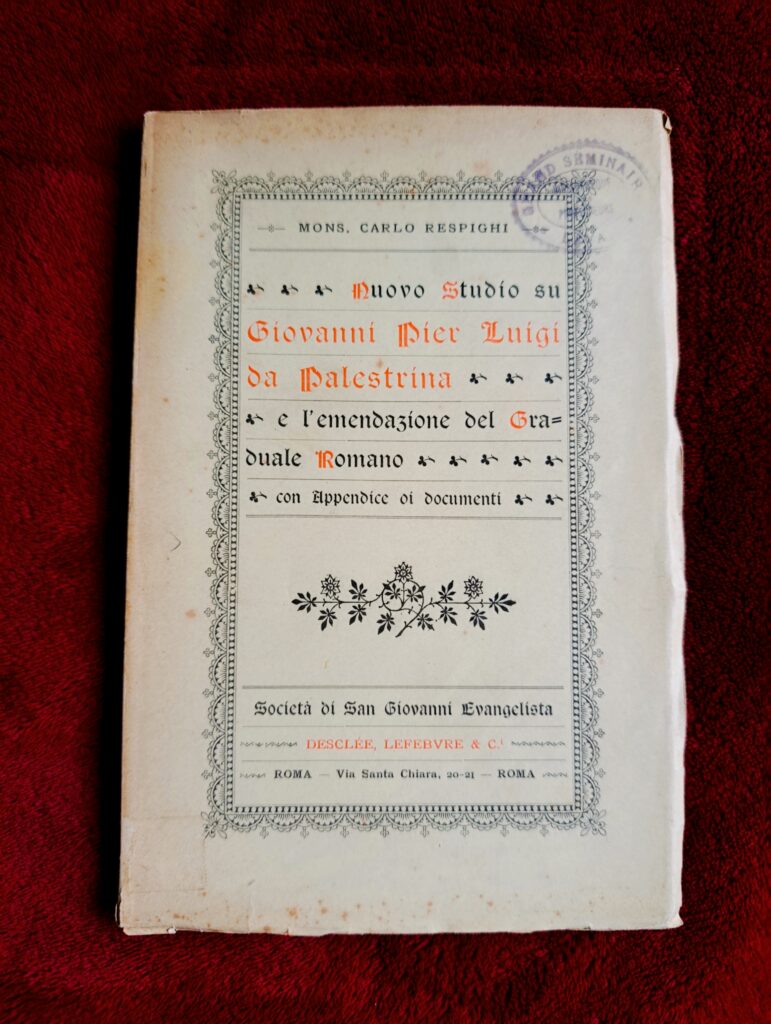
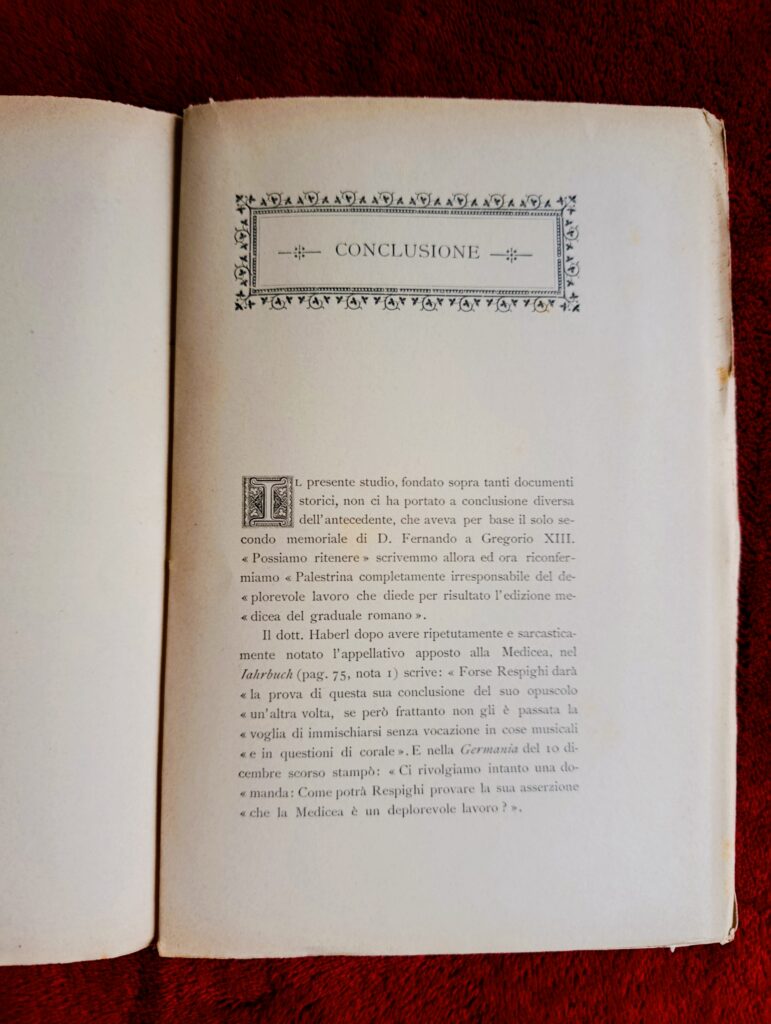
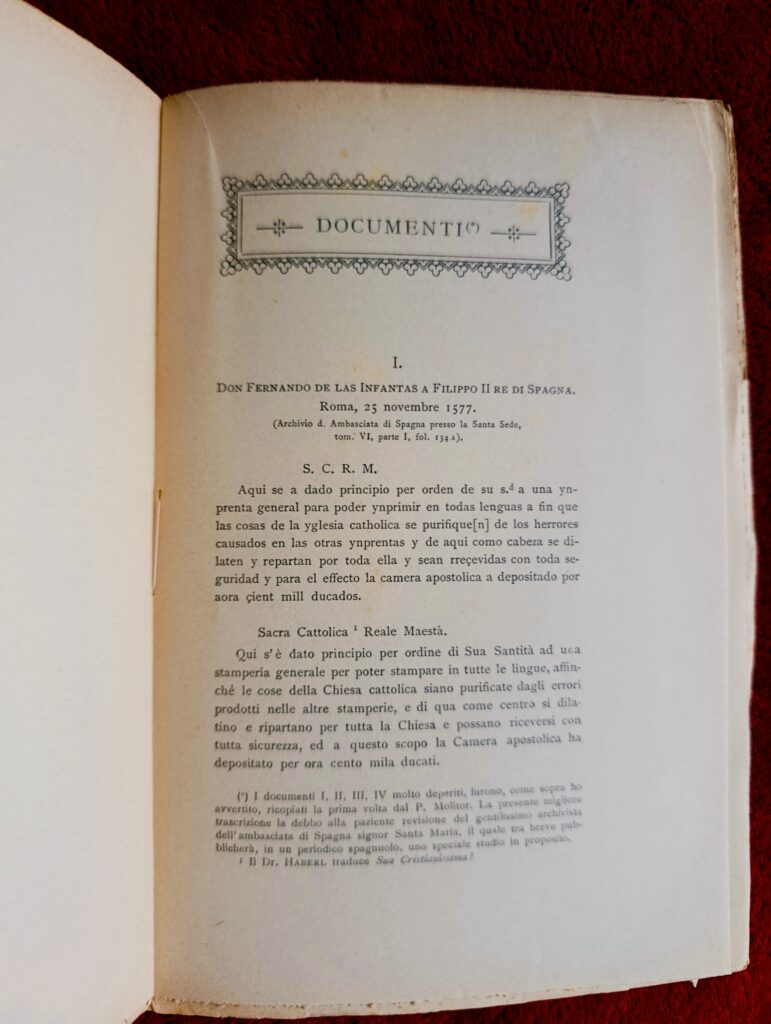
As early as 1899, Carlo Respighi drew the attention of the musical community with his publication concerning the Graduale Romanum and its alleged connection to Giovanni Pierluigi da Palestrina (G. Pierluigi da Palestrina e l’emendazione del Graduale Romano, Desclée et Lefebvre, Rome 1899). A year later, a new edition appeared (Nuovo studio su Giovanni Pier Luigi da Palestrina e l’emendazione del Graduale Romano. Con appendice di documenti, Desclée et Lefebvre, Rome 1900), in which he established that attributing the so-called Editio Medicaea of the Gradual — a revised edition of Gregorian chants commissioned by Pope Gregory XIII (the temporale published in 1614 and the sanctorale in 1615) — to Palestrina was a mistake. Respighi demonstrated that there were no sufficient grounds to equate Palestrina’s abandoned project for the revision of the Gradual with the Editio Medicaea, which was published decades later. He reached this conclusion by examining documents held in the Vatican archives. Although this did not immediately resolve the high-profile dispute with Franz Xaver Haberl (1840-1910), Respighi’s work set the course for subsequent research, which definitively confirmed the theory put forward by the papal master of ceremonies.
On December 30, 1899, Respighi organized a solemn Eucharistic procession within the Catacombs of Domitilla. The organization of, and participation in, such events would soon become a hallmark of Carlo Respighi; due to his zeal and dedication to fostering the veneration of the saints, especially the early martyrs of the Church, he earned the nickname Monsignor ubique, or „the prelate who is everywhere.” As one obituary noted: „He was perhaps the best-known clerical figure in Rome. For years, there was no significant ceremony in Rome in which he did not take part, overseeing its proper conduct” (The Pittsburgh Catholic, June 12, 1947).
The year 1900 brought his appointment as Undersecretary of the Sacred Congregation of Ceremonial (a position he held until 1918), which allowed him to participate even more actively in the preparations for and the celebrations of the Jubilee Year of 1900. A year later, alongside Louis Duchesne, author of the renowned critical study of the Liber Pontificalis, he was appointed a consultor to the Sacred Congregation of Indulgences and Sacred Relics.
In 1902, together with the Jesuit Angelo de Santi, he founded the journal Rassegna Gregoriana, which became an important forum for discussion on the history, theory, and practice of Gregorian chant, as well as on the universal reform of liturgical music associated with the initiatives of Pope Pius X. Respighi served as editor of the journal until 1914. During this period, he also became active in the renowned Italian St. Cecilia Association (Associazione Italiana Santa Cecilia per la Musica Sacra, A.I.S.C.). He became its president in 1928, a role he fulfilled, as Bugnini notes, with tireless dedication until the day he passed away, organizing numerous congresses and fostering the development of the liturgical-musical movement throughout Italy.
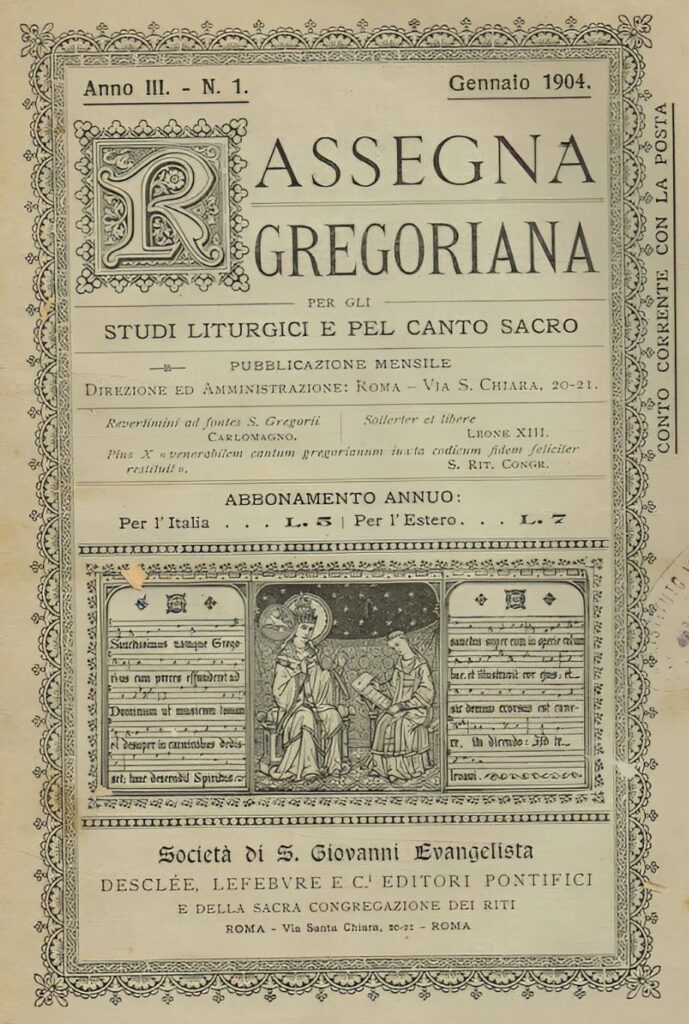
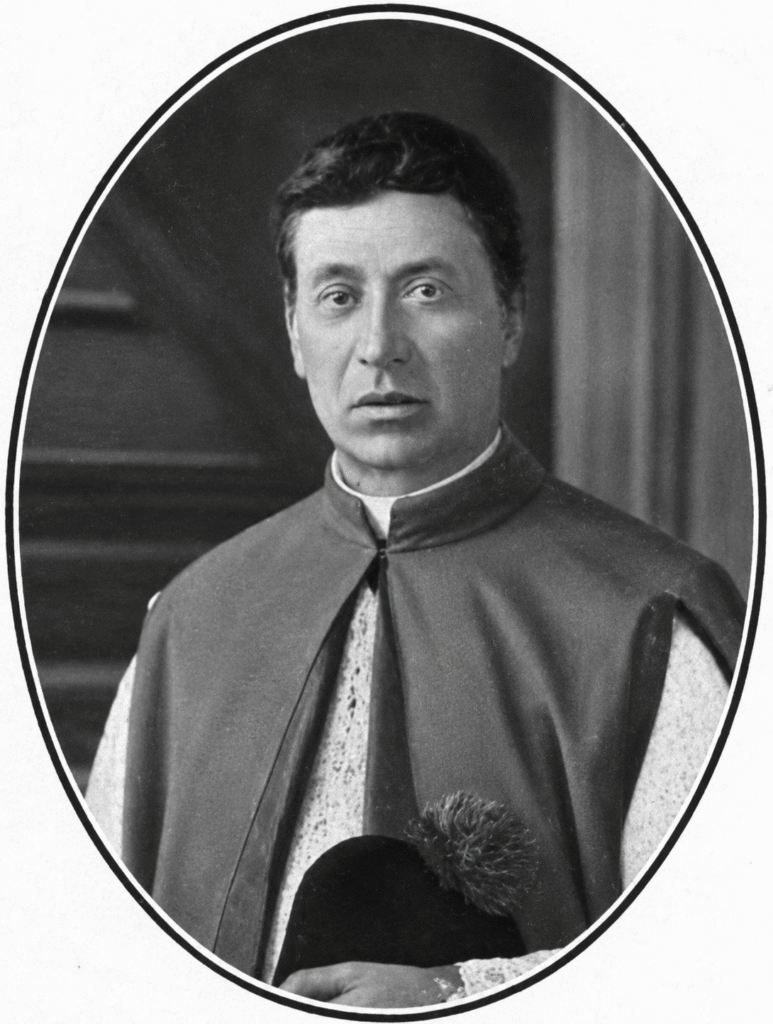
With the election of Pius X to the See of Peter, Respighi’s work on the reform of Gregorian chant gained momentum. The journal Rassegna Gregoriana received a papal blessing, and Respighi himself had the opportunity to speak directly with the Pope about the Solesmes circle and the work of Dom Joseph Pothier during a private audience on September 18, 1903. Just a few weeks later, on November 22, 1903, the Holy Father issued the motu proprio Tra le sollecitudini, which addressed the subject of sacred music. Carlo Respighi was among those who helped prepare and support the reform; he maintained close ties with, among others, the Jesuit musicologist Angelo De Santi and the Benedictine monks from the aforementioned Solesmes.
Only a few months later, on April 25, 1904, Pius X issued another document concerning the renewal of Gregorian chant and the preparation of new official liturgical books for the Roman Church. A special papal commission was established for this purpose, with Carlo Respighi serving as a member. Work on the new Vatican edition of liturgical chant books continued until 1913. Despite disputes regarding the principles for reconstructing Gregorian melodies, the significance of the oldest manuscripts, and the placement of rhythmic markings, the commission succeeded in developing and publishing a complete series of typical editions, including the Kyriale Romanum, Cantus Missae, Graduale Romanum, Officium defunctorum, Cantorinus Romanus, and Antiphonale Romanum, which were subsequently reproduced by other publishers with the approval of the Holy See. An extensive correspondence between Carlo Respighi, Angelo De Santi, and Dom Mocquereau from this period has been preserved.
The death of Pius X and the election of Benedict XV brought about a significant shift in the primary focus of Carlo Respighi’s work. After the Rassegna Gregoriana ceased publication, he began contributing to the Bollettino Ceciliano and engaged in pastoral activities; however, his appointment on May 29, 1917, as an Apostolic Protonotary ad instar participantium, serving as deputy (effectively a coadjutor with the right of succession) to Monsignor Francesco Riggi, the Prefect of Papal Ceremonies, led him to concentrate more on his roles within the structures of the Roman Curia.
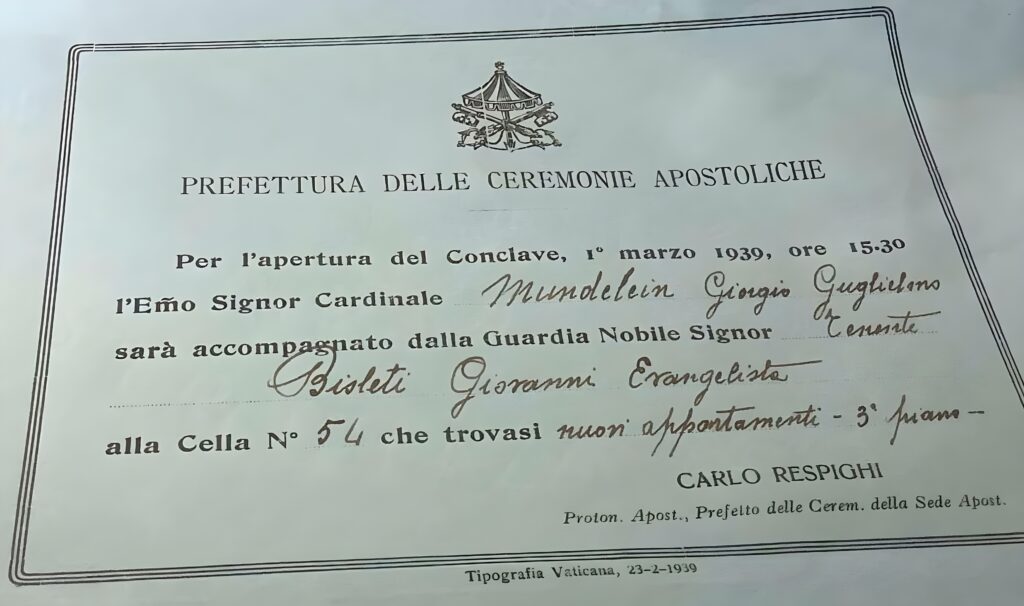
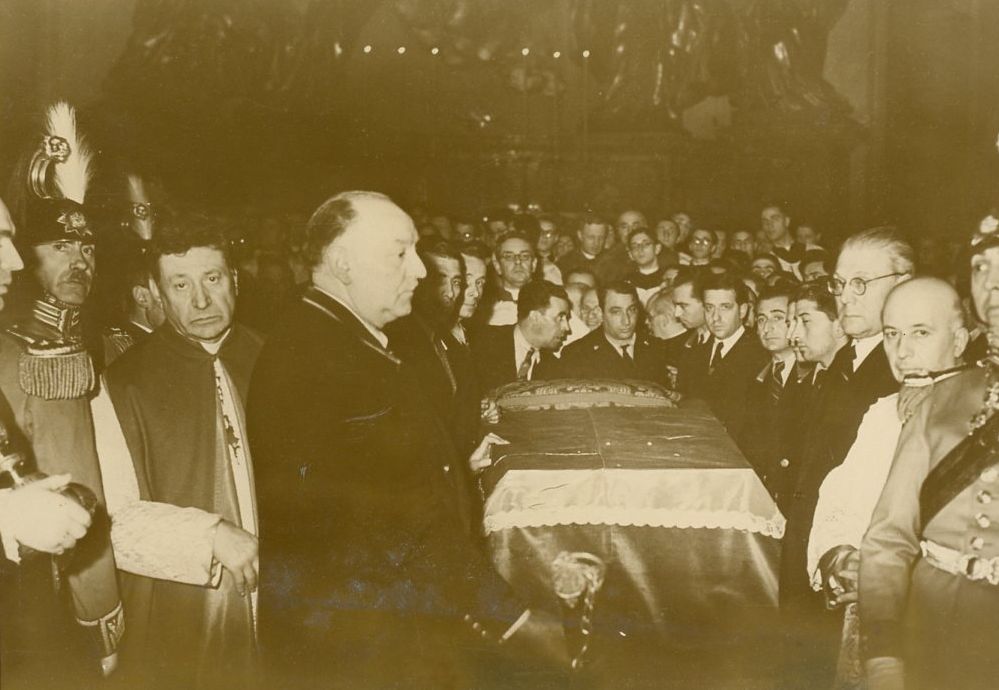
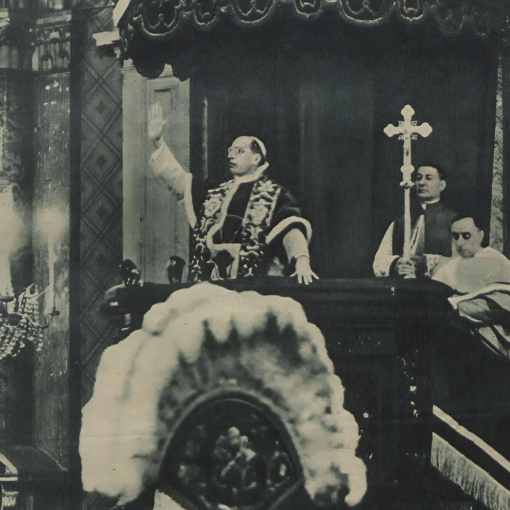
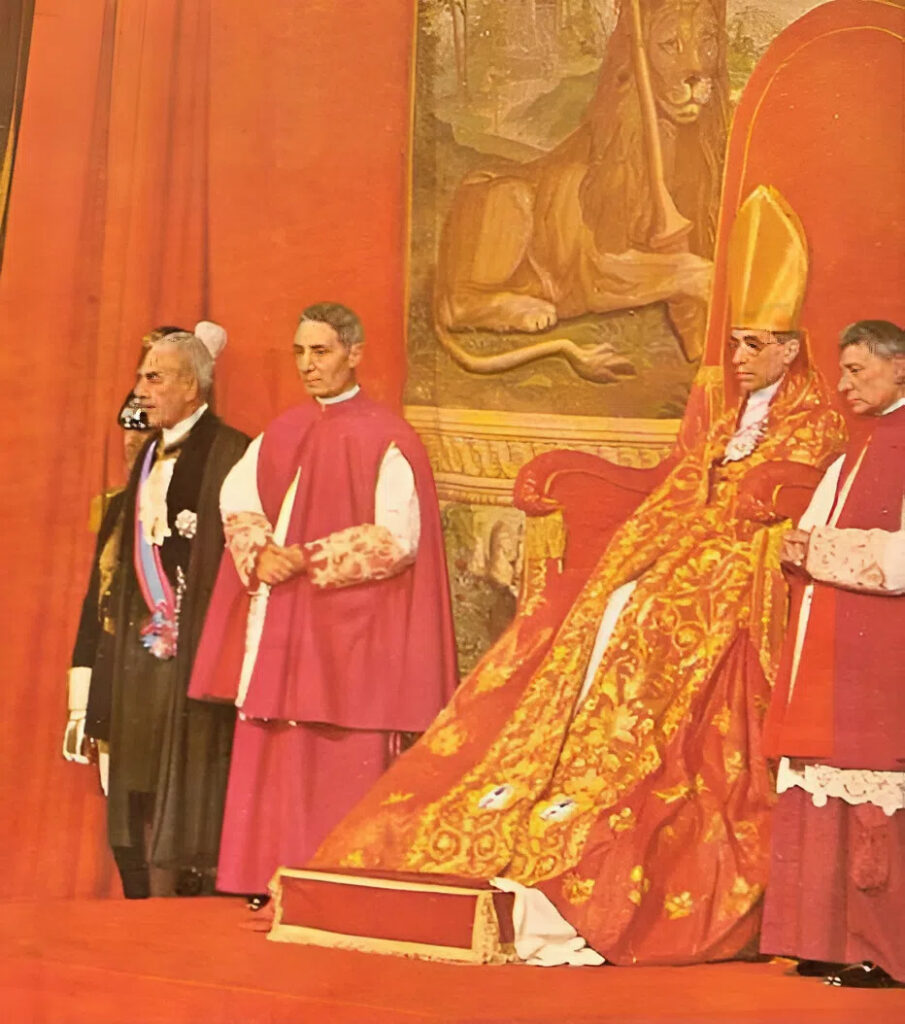
Francesco Riggi died shortly thereafter, in 1918. Carlo Respighi succeeded him and served as Master of Pontifical Liturgical Celebrations until his own death in 1947. Throughout his nearly 30 years of service, he distinguished himself as an exemplary and zealous Master of Ceremonies; his responsibilities included organizing the conclave following the death of Benedict XV, the coronation and funeral of Pius XI, along with the celebrations for the Holy Year of 1933, as well as the subsequent conclave and the coronation of Pius XII. The latter event marked the first papal coronation in history to be broadcast in its entirety via radio, with the signal transmitted globally. In August of that same year, he began his tenure as secretary of the Pontifical Commission for Sacred Archaeology, a position he held until his death. Additionally, from 1918 to 1919, he served as a substitute official within the Vicariate of Rome.
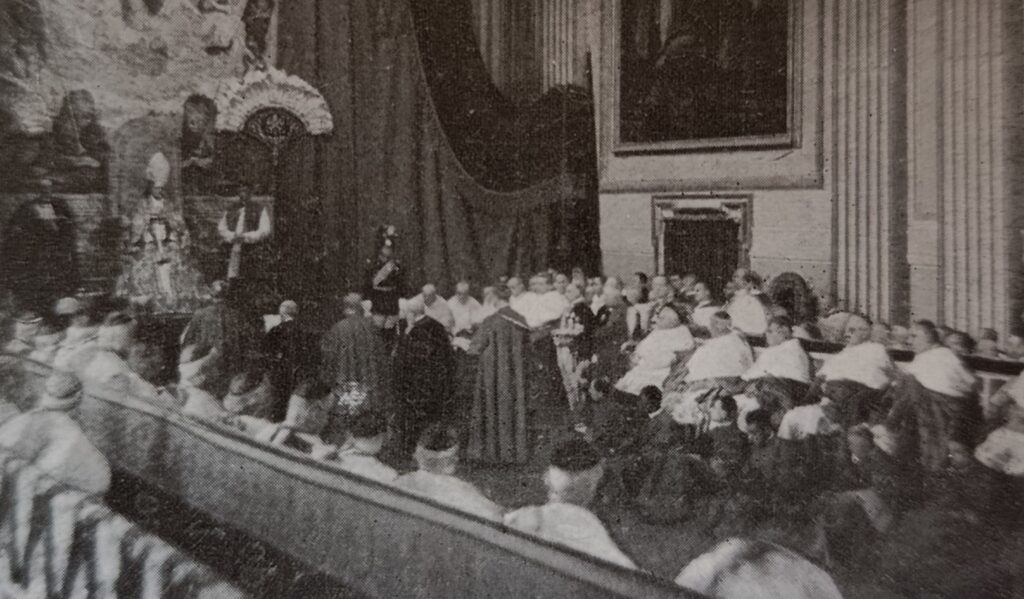
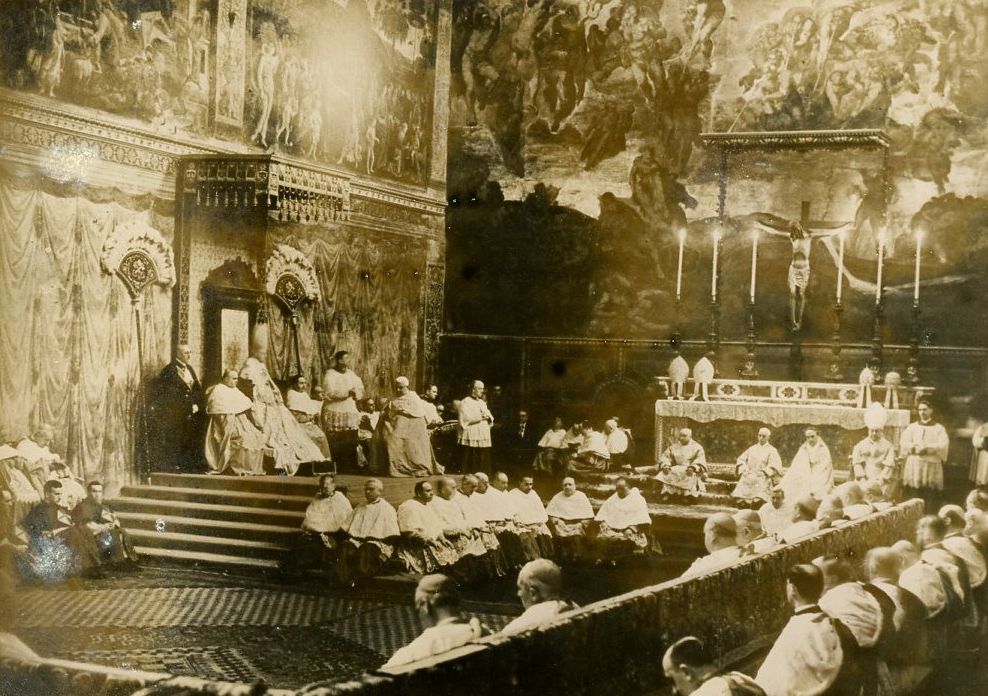
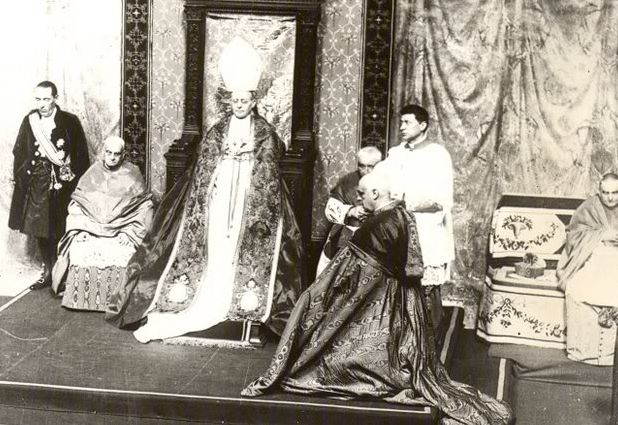
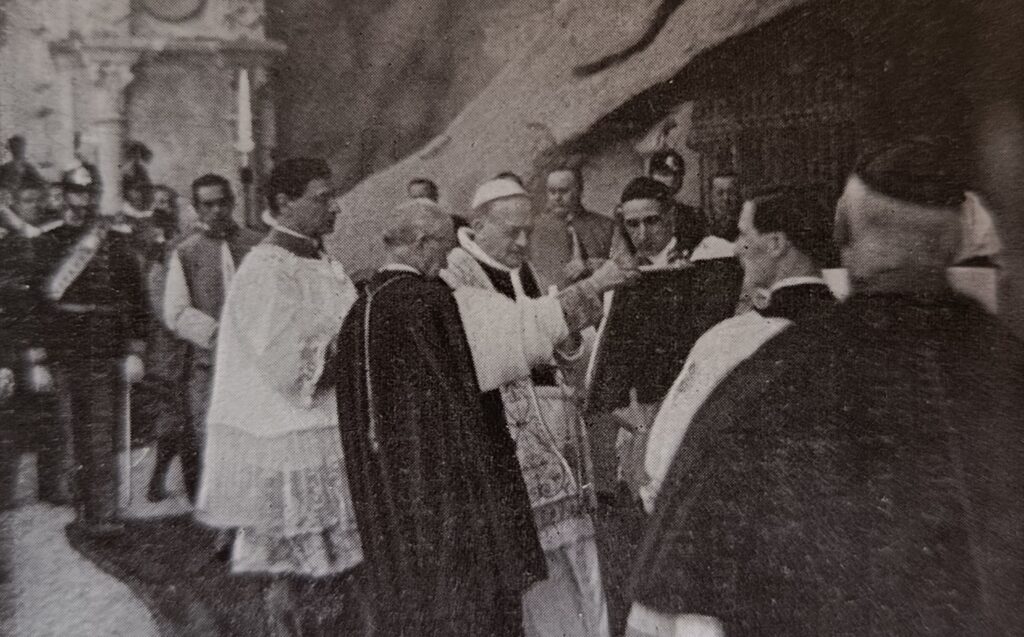
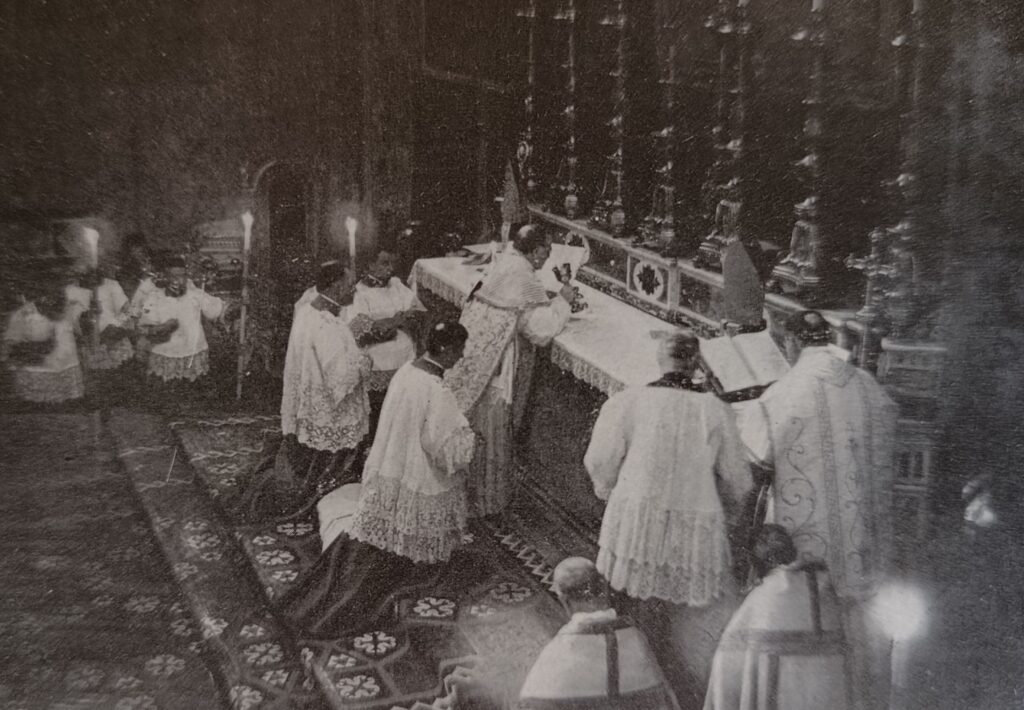
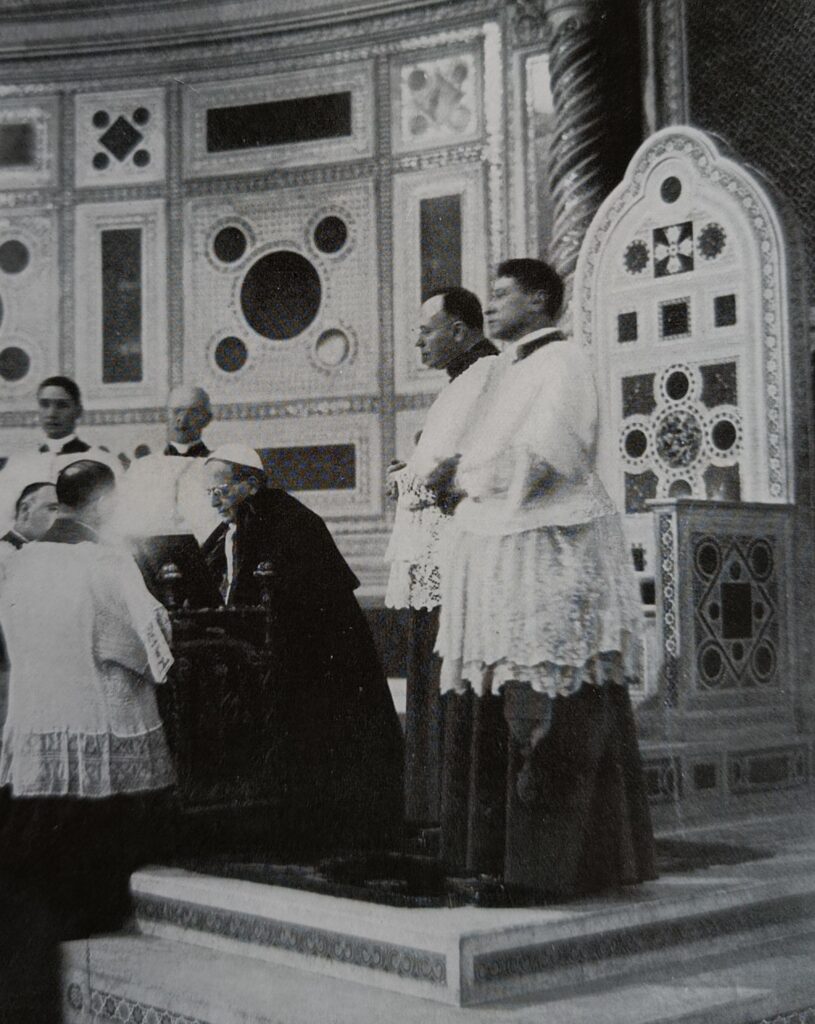
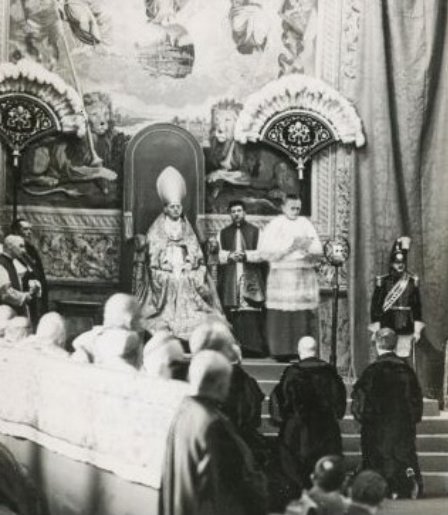
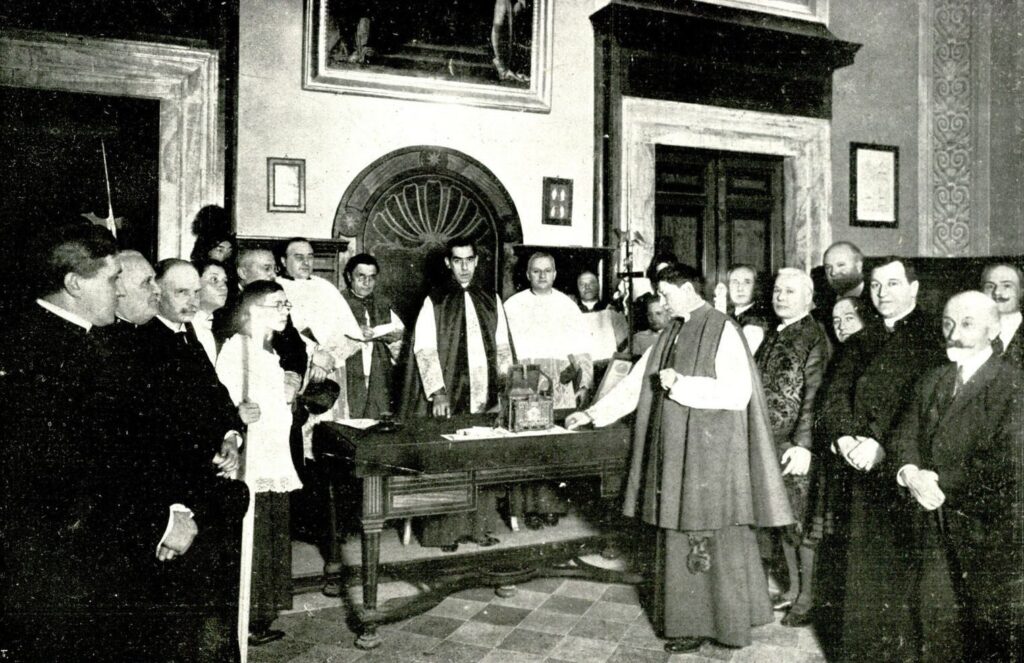
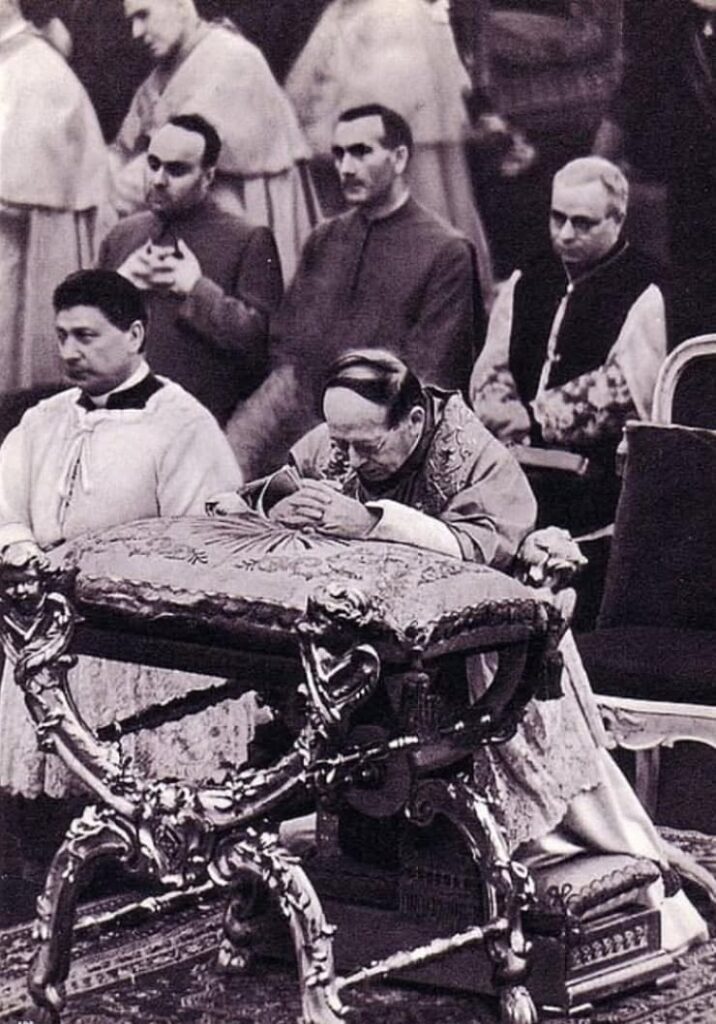
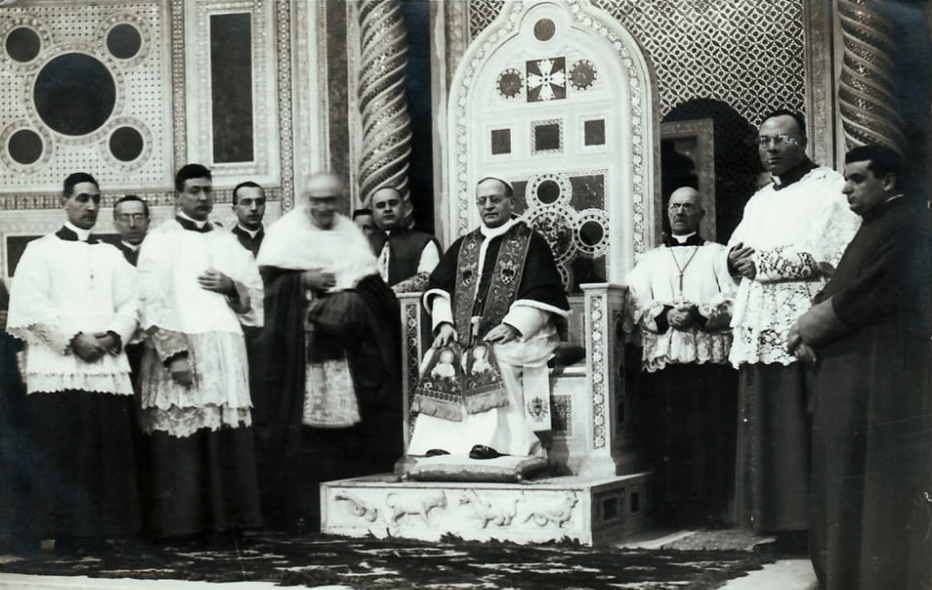
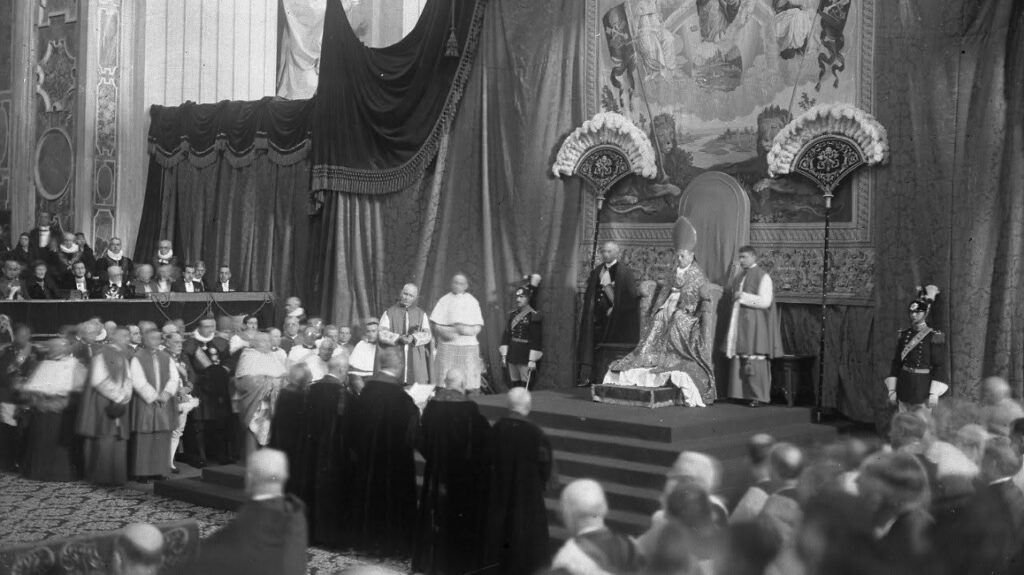
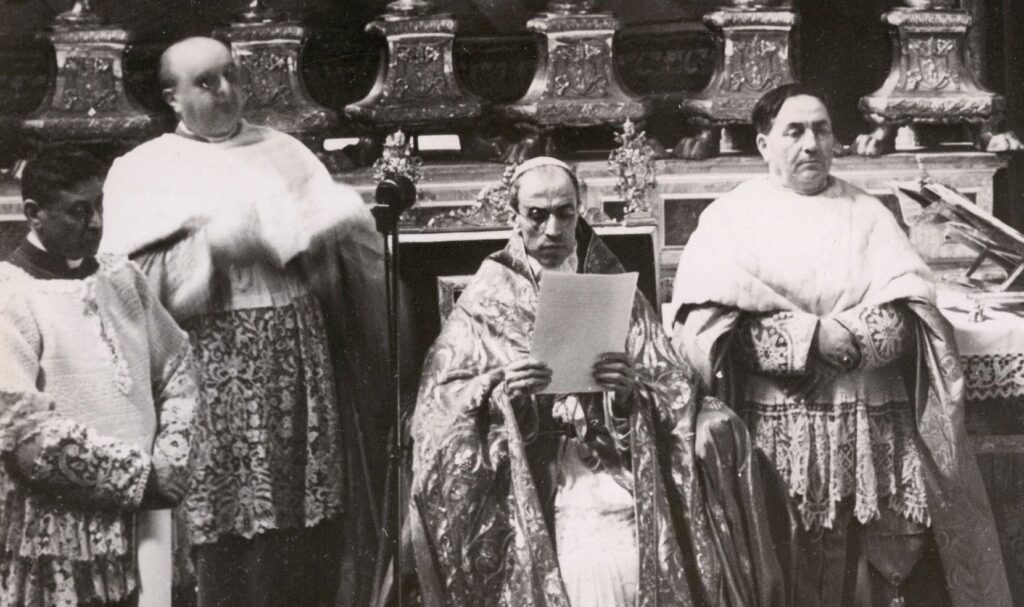
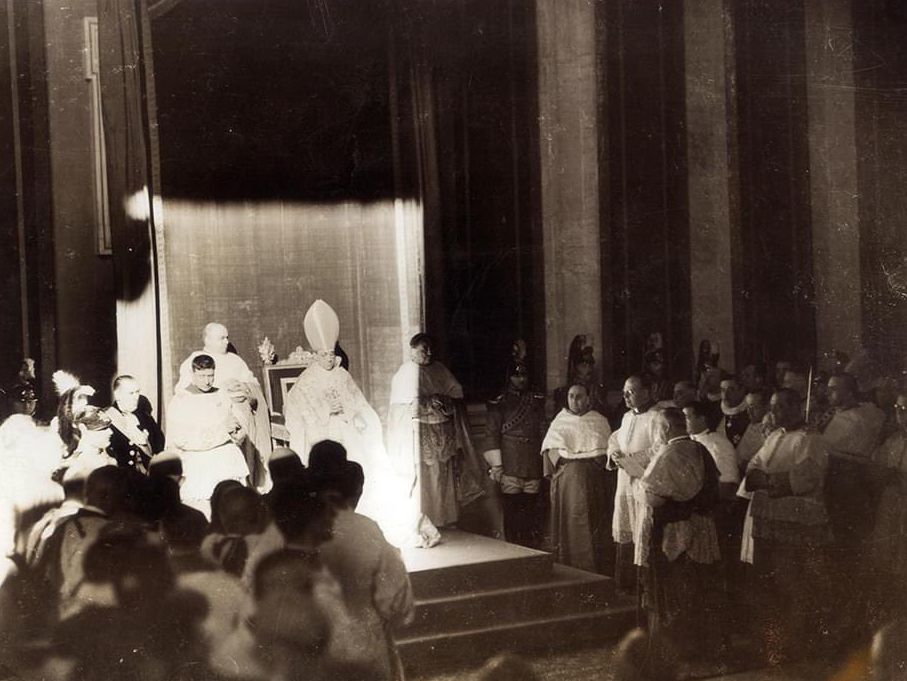
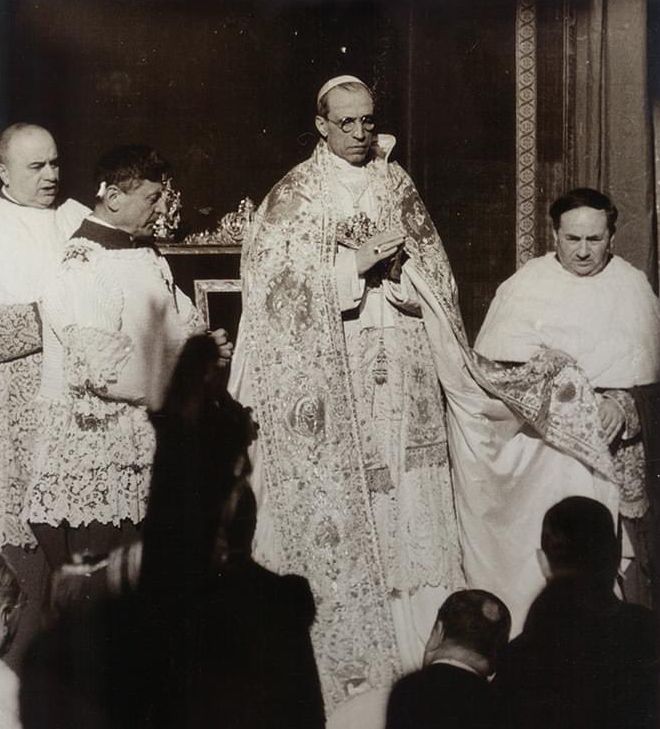
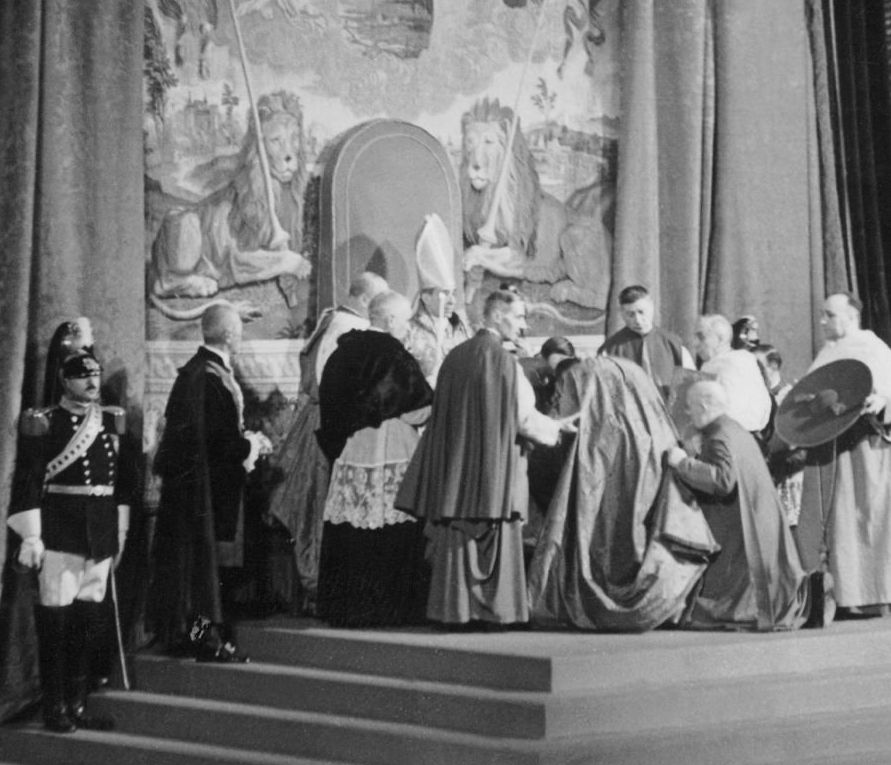
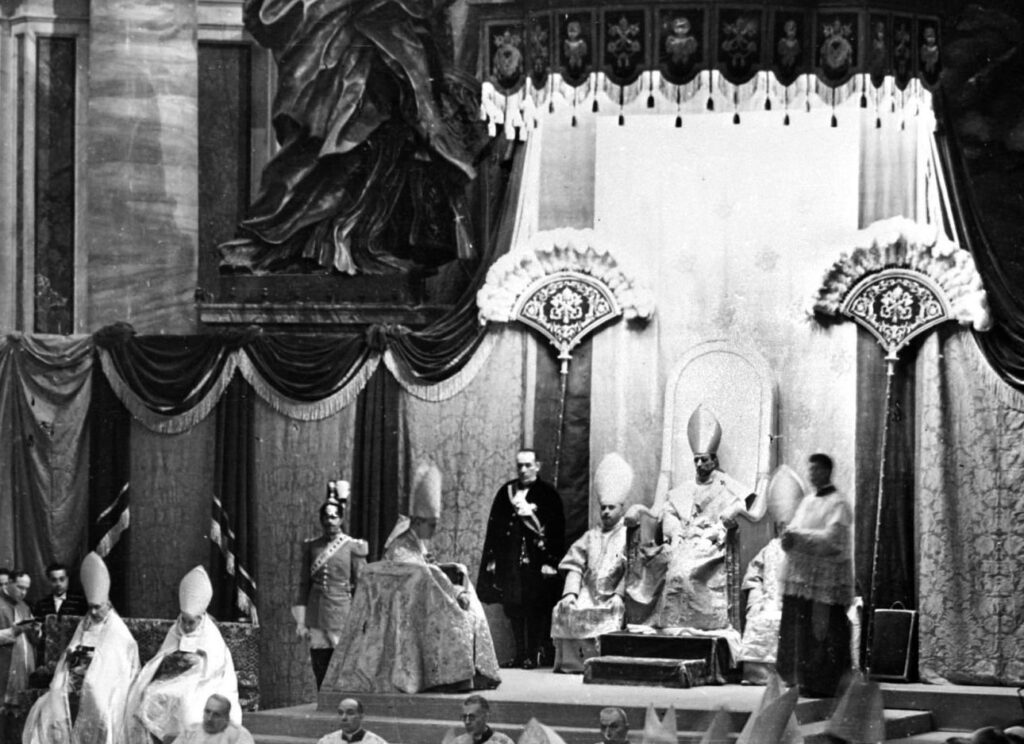
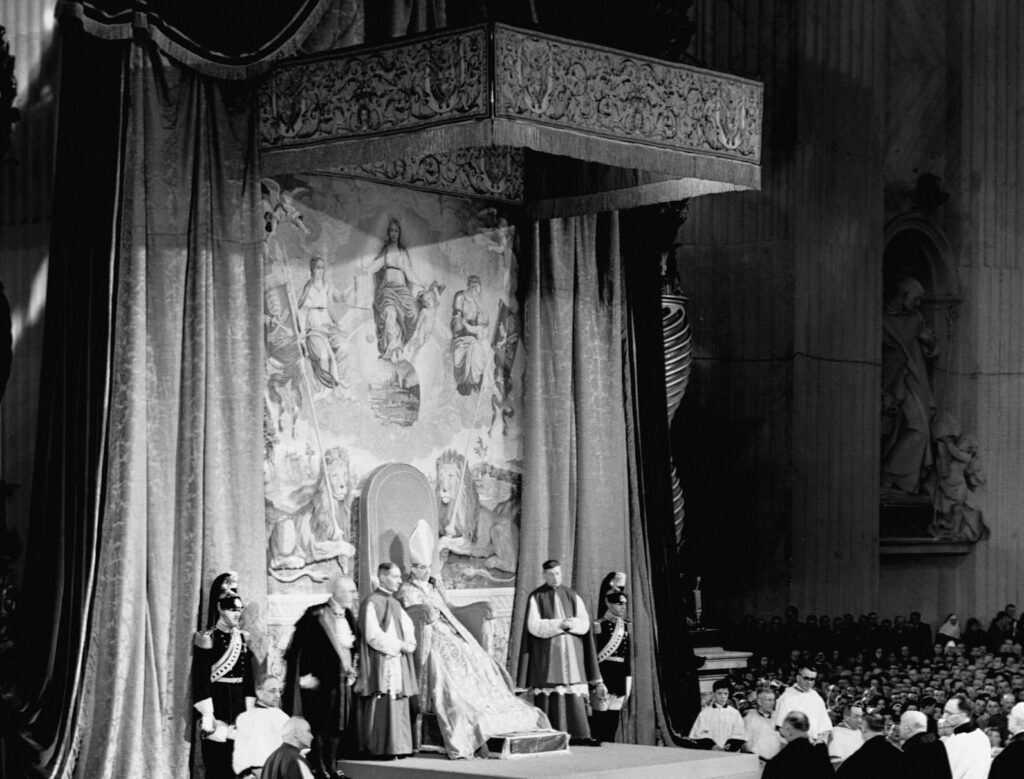
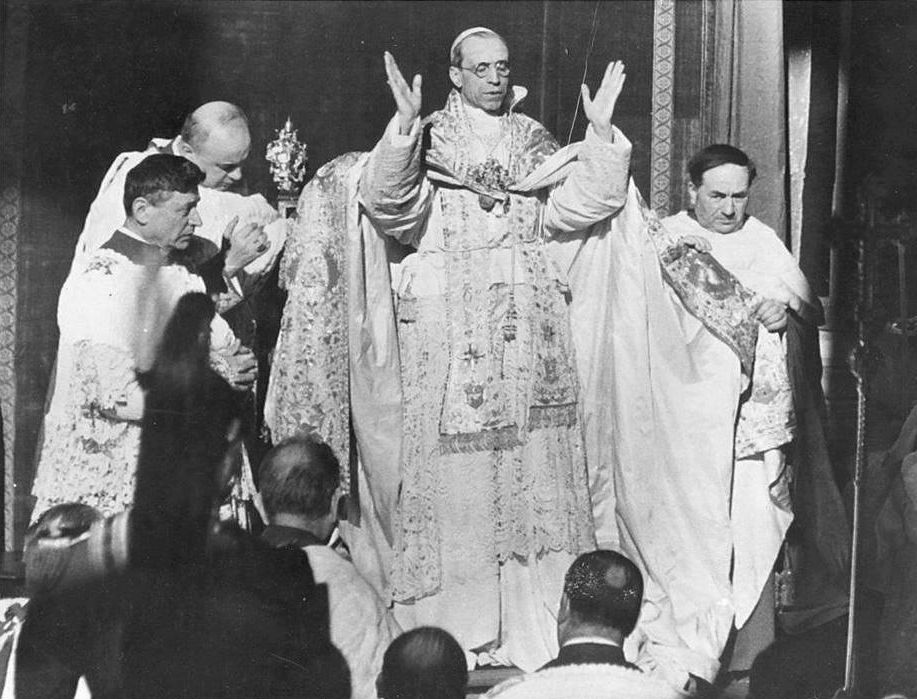
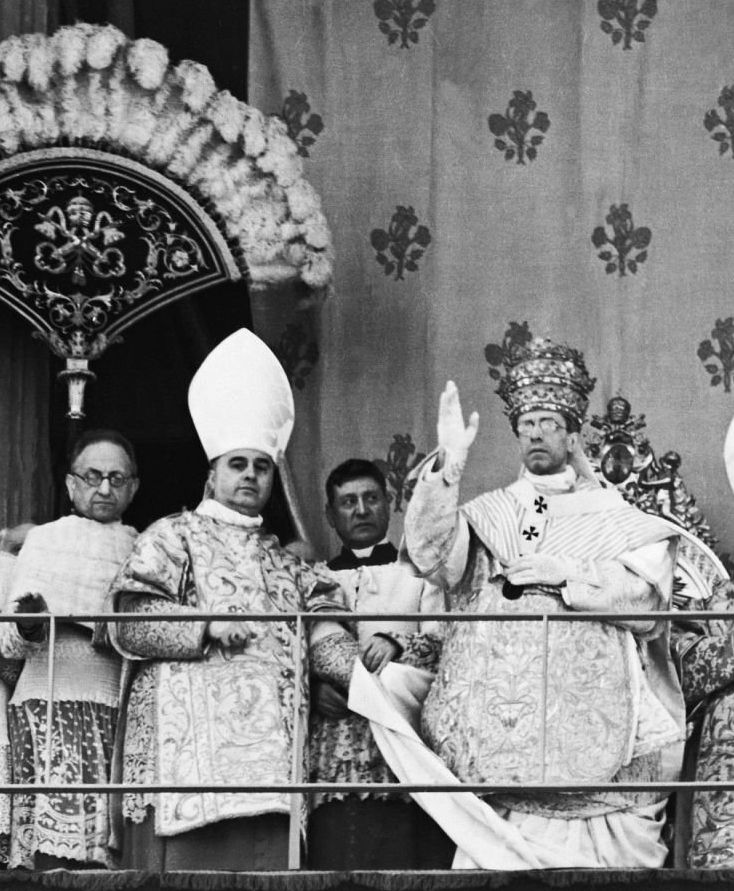
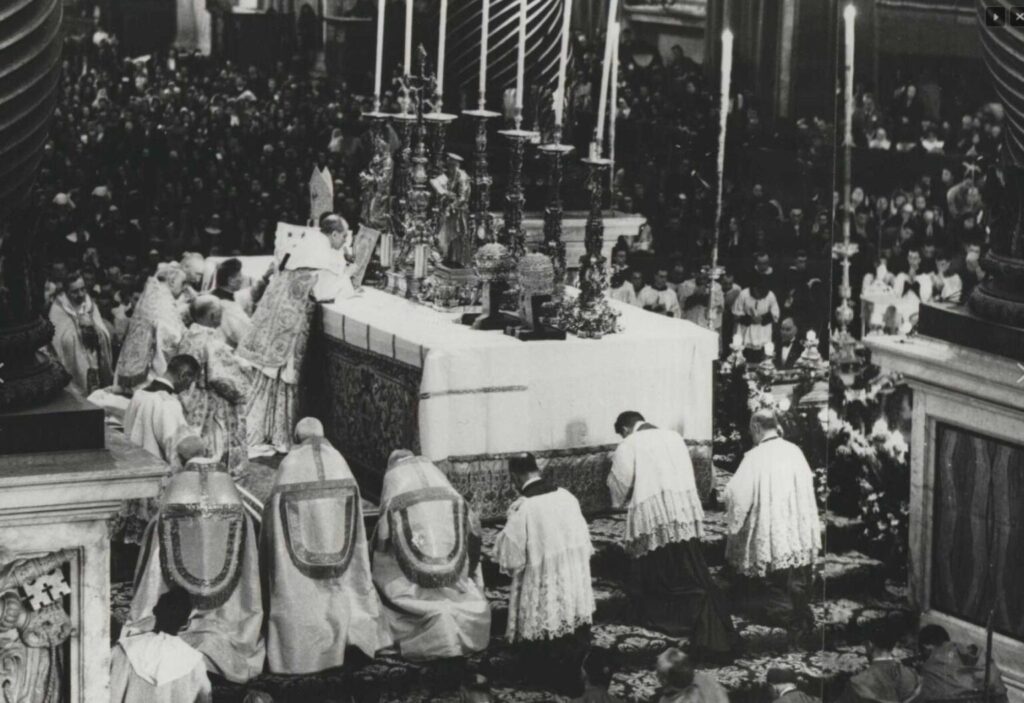
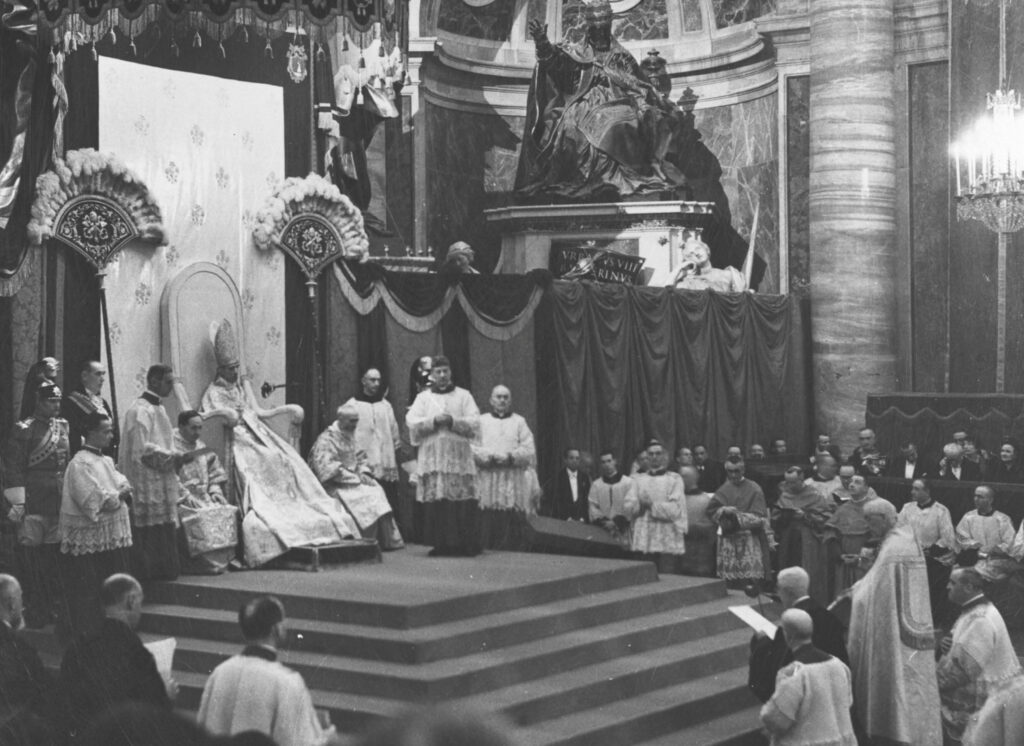
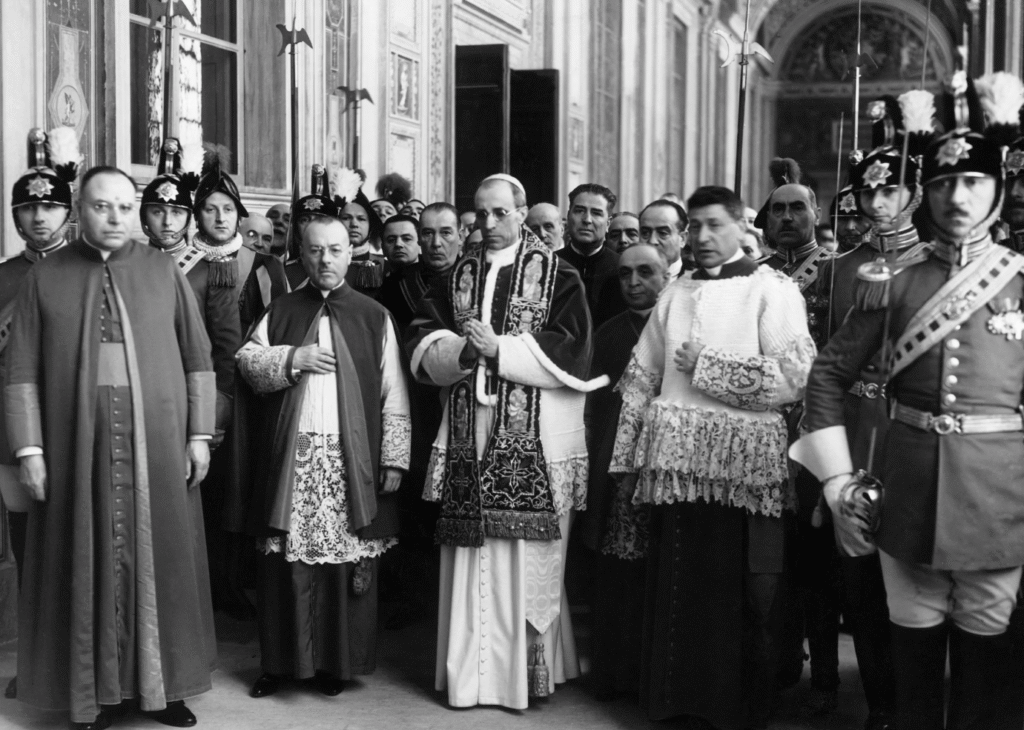
The 1920s were marked by a period of relative stability. Monsignor Carlo Respighi organized and directed papal ceremonies and was actively involved in the development of Christian archaeology, a time that saw, among other things, significant work at the San Sebastiano complex, the discovery of early Christian cemeteries, and excavations in the areas surrounding St. Peter’s Basilica and the Basilica of St. John Lateran. As would later become clear, the archaeological investigations at the Vatican Basilica yielded crucial historical findings regarding the death of the Apostle Peter. Also noteworthy is Respighi’s role in promoting the veneration of martyrs; a prime example is the grand Eucharistic procession held at the Catacombs of St. Callixtus during the 26th International Eucharistic Congress, which took place in Rome in 1922.
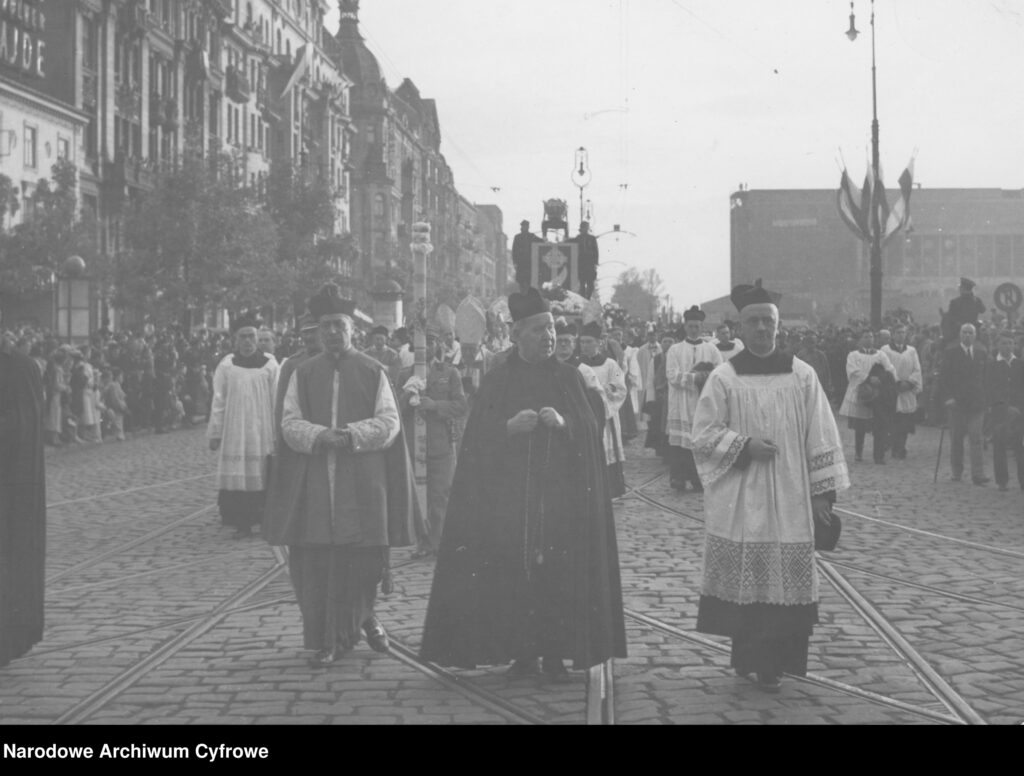
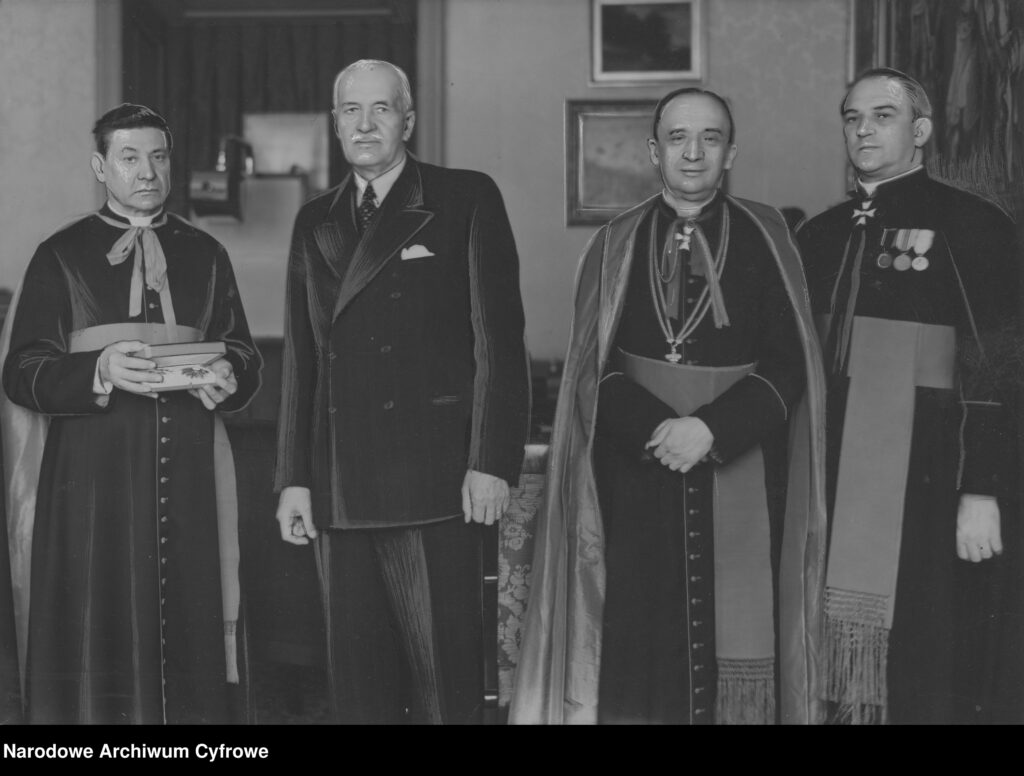
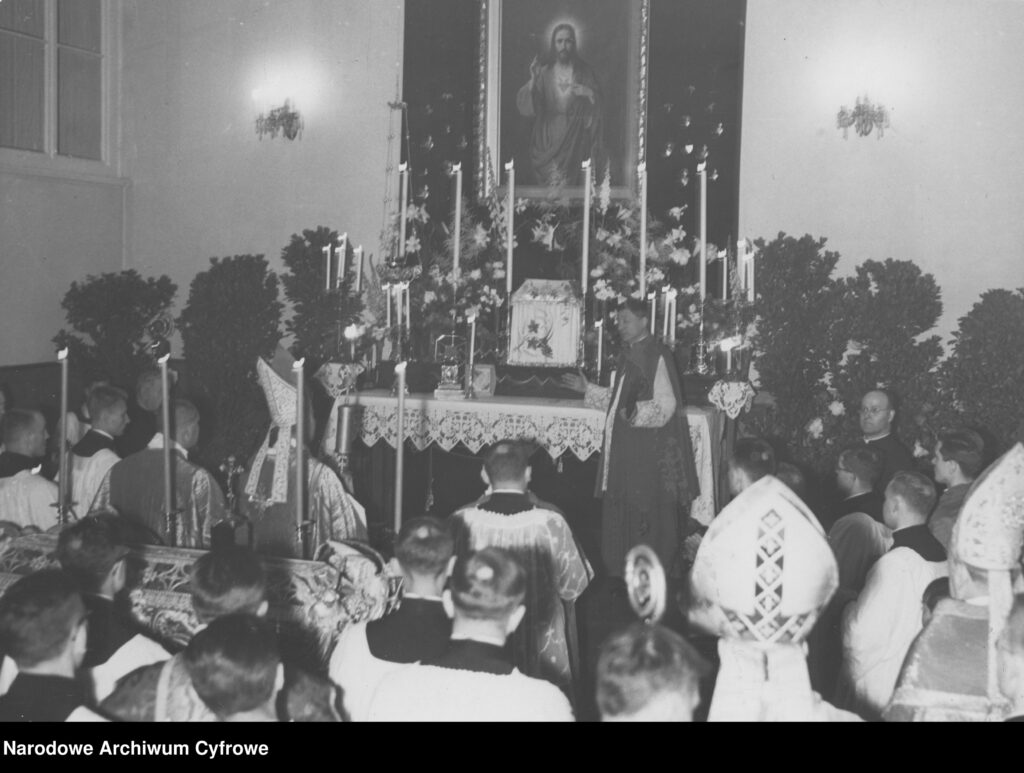
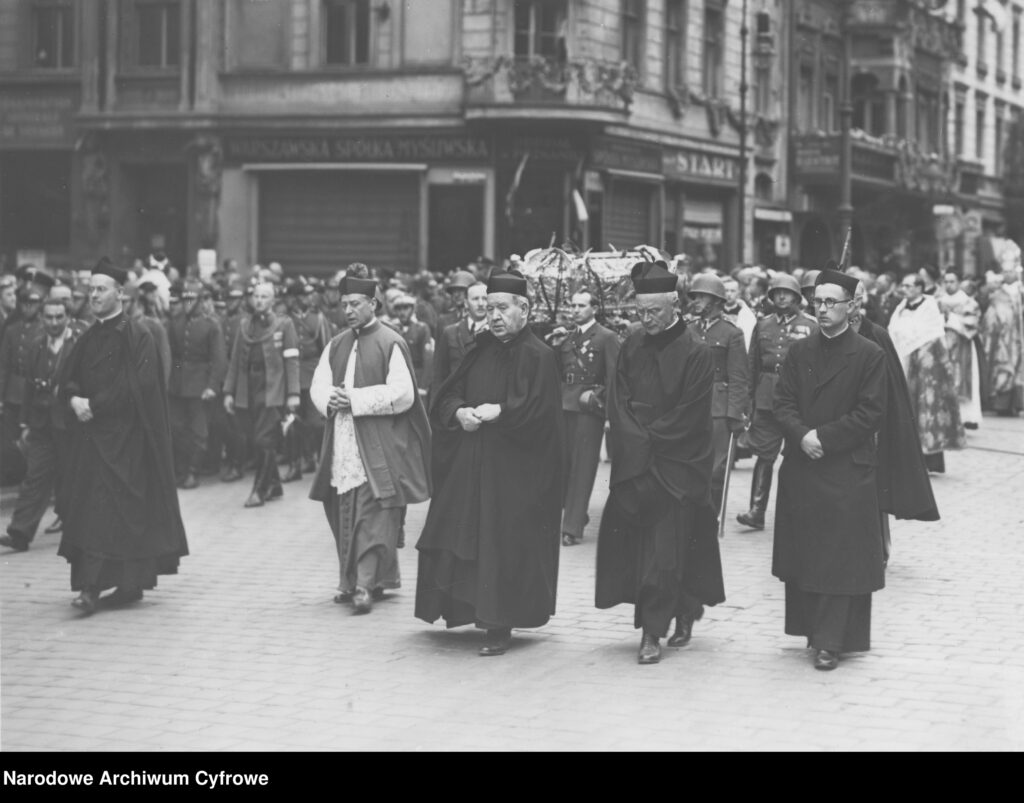
In 1931, Carlo Respighi assumed the position of president of the Collegium Cultorum Martyrum, a role he held until his death. It was through his leadership and dedication that the practice of the „stational liturgy”, a tradition of great significance, particularly for the observance of Lent, was restored in Rome. Following the capture of Rome by the Italian army in 1870, the scope for public processions outside of church grounds had been severely restricted, causing the practice of the Roman stations to fall into disuse. Only after the signing of the Lateran Treaties in 1929 did the opportunity arise to revive this ancient form of prayer and veneration of the martyrs. This undertaking not only brought together all the primary areas of Monsignor Respighi’s work: liturgy, Christian archaeology, liturgical music, and pastoral care, but also earned him the nickname Monsignor Ubique, or „Monsignor Everywhere”. Giulio Andreotti, who served multiple terms as Prime Minister of Italy and knew Respighi during this period, later described him as a versatile, tireless, and cheerful man, distinguished by his extraordinary level of activity. In December 1935, the Holy Father appointed Respighi an Apostolic Protonotary de numero participantium.
IV. In the Twilight of Life
The final years of Carlo Respighi’s life were spent in the service of Pope Pius XII and in the fulfillment of the duties associated with the offices and roles he held. Annibale Bugnini notes that, until his very last breath, the Master of Papal Ceremonies remained engaged in the renewal of sacred music and in liturgical pastoral care. According to Bugnini, the last text Respighi published, in the March 1944 issue of Bollettino Ceciliano, was an article concerning liturgical days held in Vanves, France.
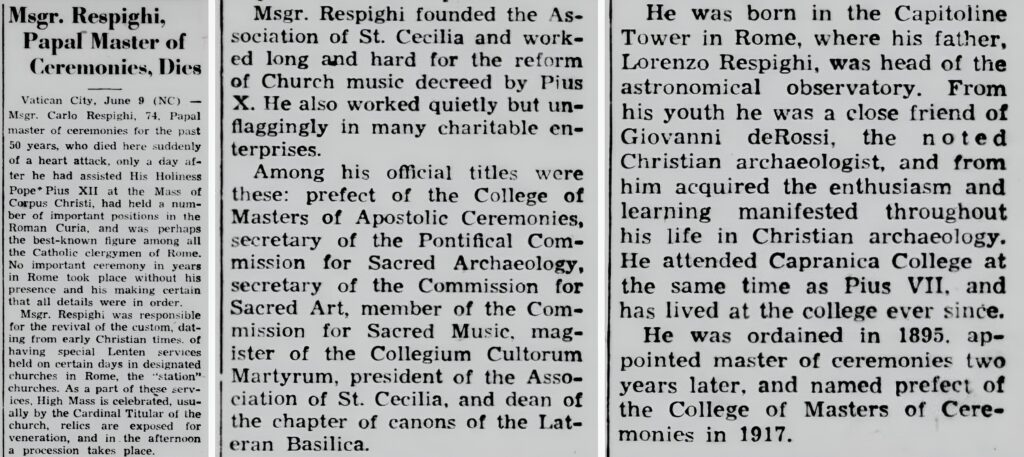
Monsignor Ubique died suddenly on June 6, 1947, at the Vatican, at the age of 74, just one day after having led the solemn papal procession for the Feast of Corpus Christi. The cause of death was a heart attack. The prelate’s funeral took place on Sunday, June 8, at the Church of Saint Ignatius in Rome, and his mortal remains were laid to rest in the Basilica of the Santi Quattro Coronati, of which he had served as rector, beside his uncle, Cardinal-Priest Pietro Respighi, who had held that basilica as his titular church.
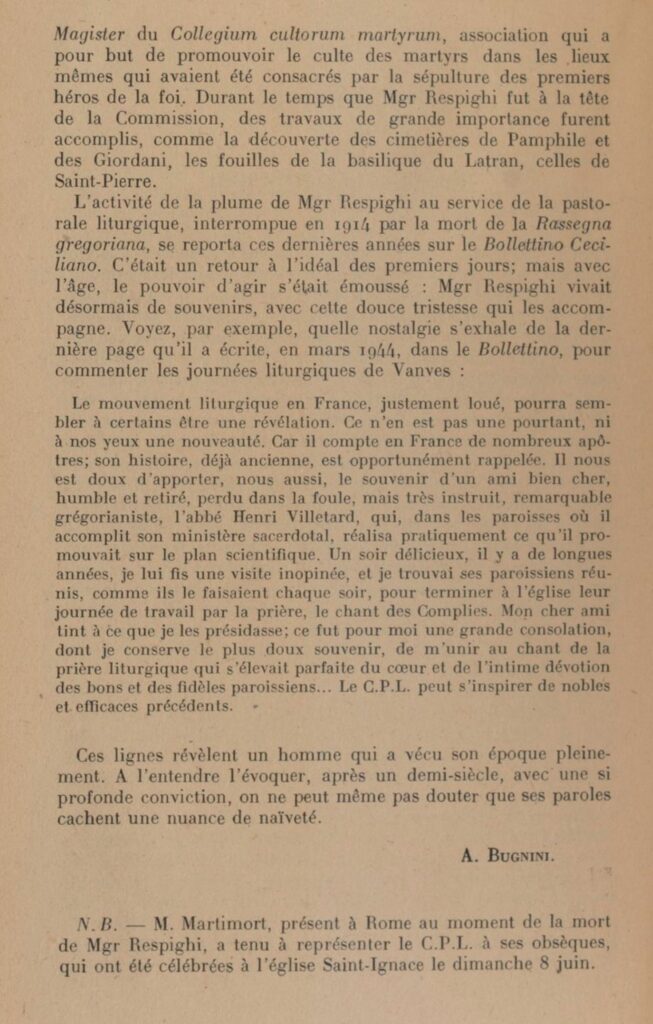
Msgr. Enrico Dante, who would later become a cardinal, was appointed as Respighi’s successor to the post of Prefect of the College of Apostolic Masters of Ceremonies. Carlo Respighi’s archaeological and musicological work continues to this day.
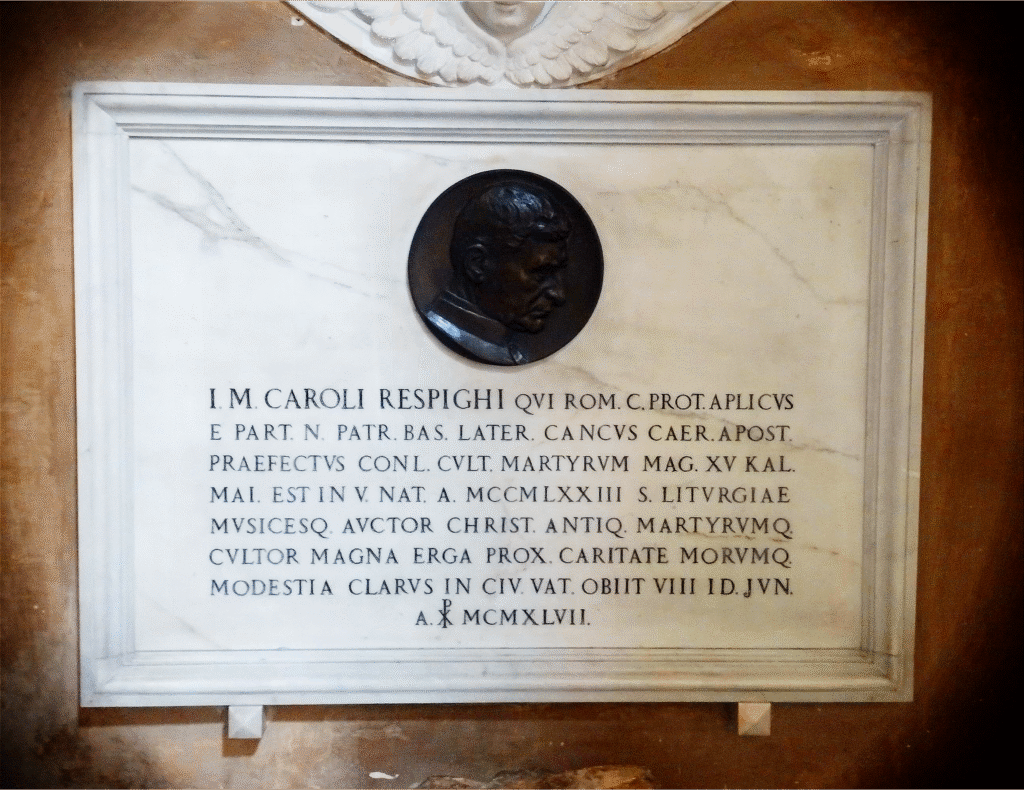
The aforementioned commemorative plaque states that Monsignor Carlo Respighi was distinguished not only by his knowledge of liturgy, archaeology, and Christian music, but, above all, by his great love for his fellow man and his modest demeanor.
RECOMMENDED VIDEOS
RECOMMENDED READINGS
- Sources cited in the study Pacelli Edition: C. Schmidl, Respighi Carlo (Monsignore), in: Dizionario universale dei musicisti, vol. 2, Milano 1938; B. Becker, Un grande figure romaine: Mgr Carlo Respighi (1873-1947), in: Revue générale belge, vol. 28 (1948), p. 584-591; E. Josi, Ricordo di mons. Carlo Respighi nel XXV anniversario della morte”, in: Rivista diocesana di Roma, vol. 13 (1972), p. 667-669.
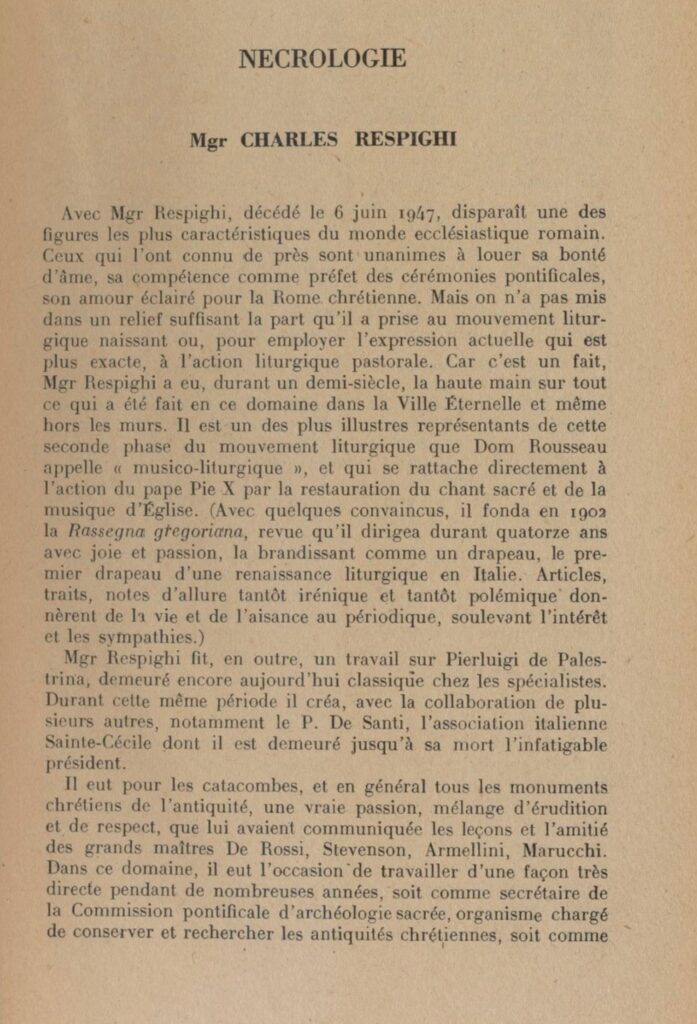
- A. Bugnini, Mgr Charles Respighi, in: La Maison-Dieu, 12 (4/1947), p. 135-136.
- G. Ricciardi, P. Iacobone, Le “stazioni” di monsignor Ubique, in: 30Giorni, nr 2/3 (2010).
- A. M. Dieguez, Carlo Respighi, der Vatikan und die Christliche Archäologie in Rom, w: Römische Quartalschrift, vol. 106 (2011), p. 92-99.
- P. Combe, Histoire de la restauration du chant grégorien d’après des documents inédits : Solesmes et l’Édition Vaticane, Abbaye Saint-Pierre de Solesmes 1969; English edition: The Restoration of Gregorian Chant: Solesmes and the Vatican Edition, The Catholic University of America Press 2003 – above all, the part concerning Angelo De Santi and Carlo Respighi, as well as the chapters devoted to the reform of Pius X.